• A project of the Förderverein Kulturhistorisches Museum Nürnberg e.V. A project of the FKHM Nürnberg e.V.
  • About us
  • Feedback
  • Deutsche Version
Search Virtual museum
Nuremberg Art
  • Artists
  • Works of art
  • Topics
  • New
  • About us
  • Feedback

Altar of the Beautiful Mary
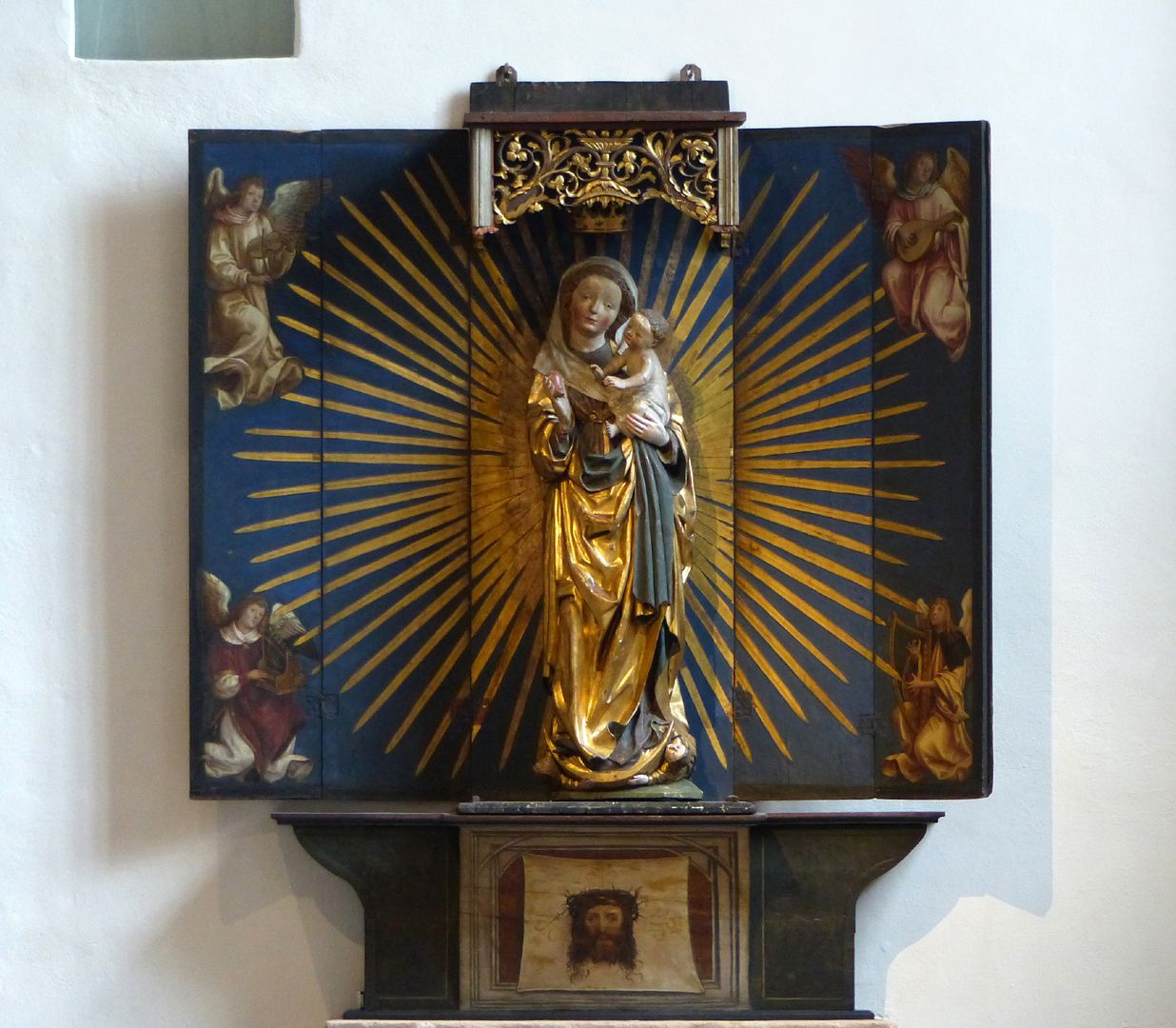
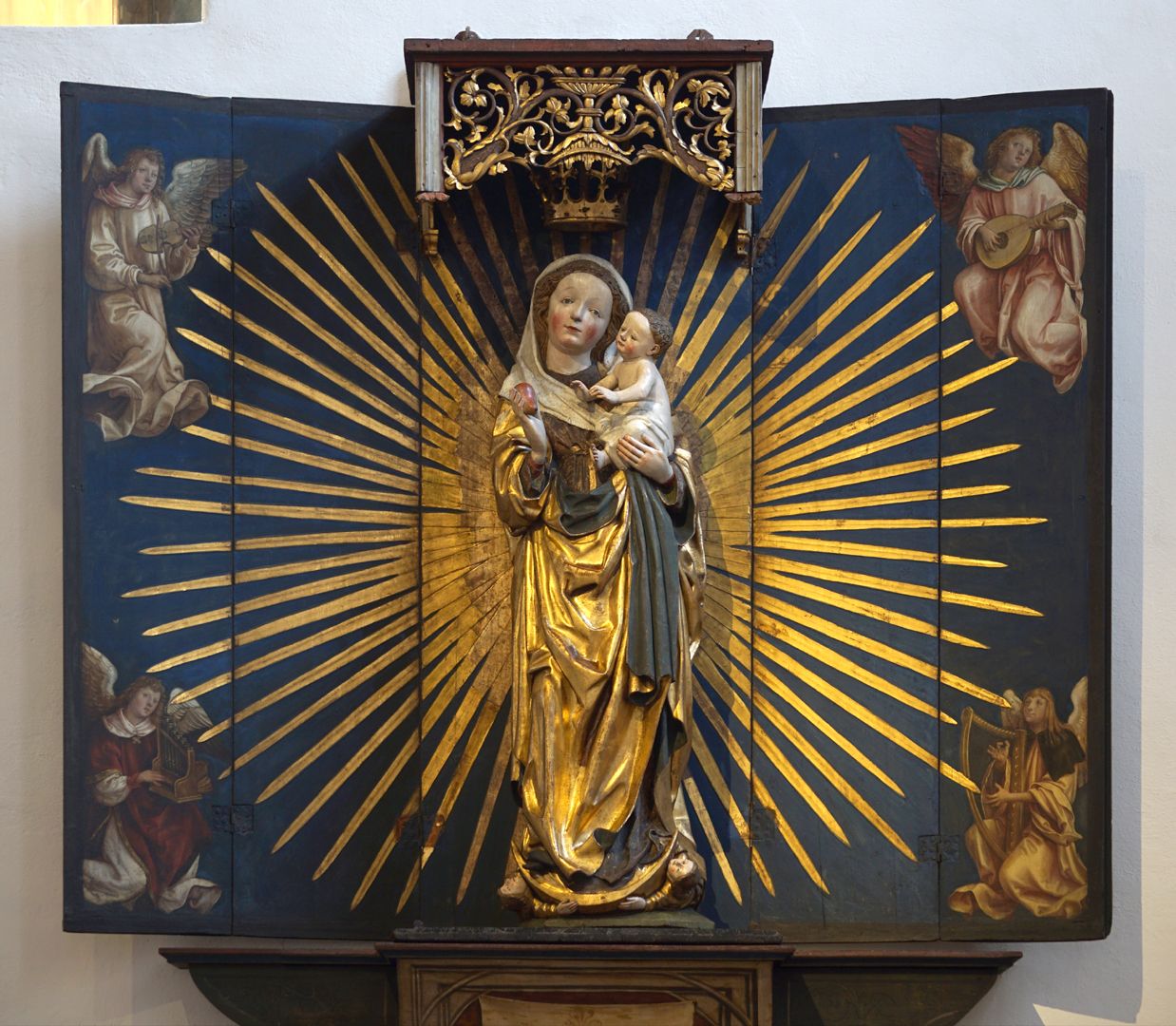
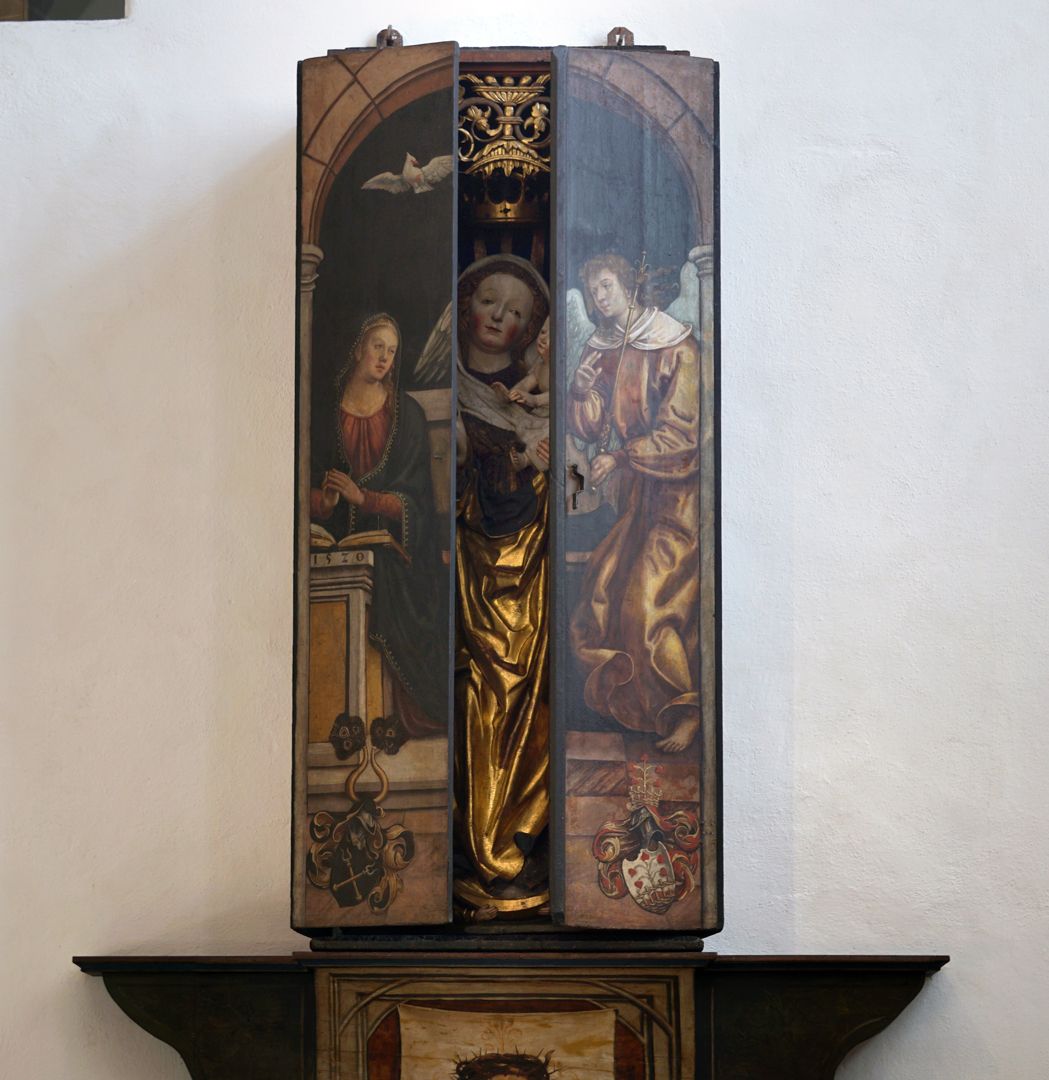
Altar of the Beautiful Mary Altar with open wings

Altar of the Beautiful Mary

1520

Altar with open wings


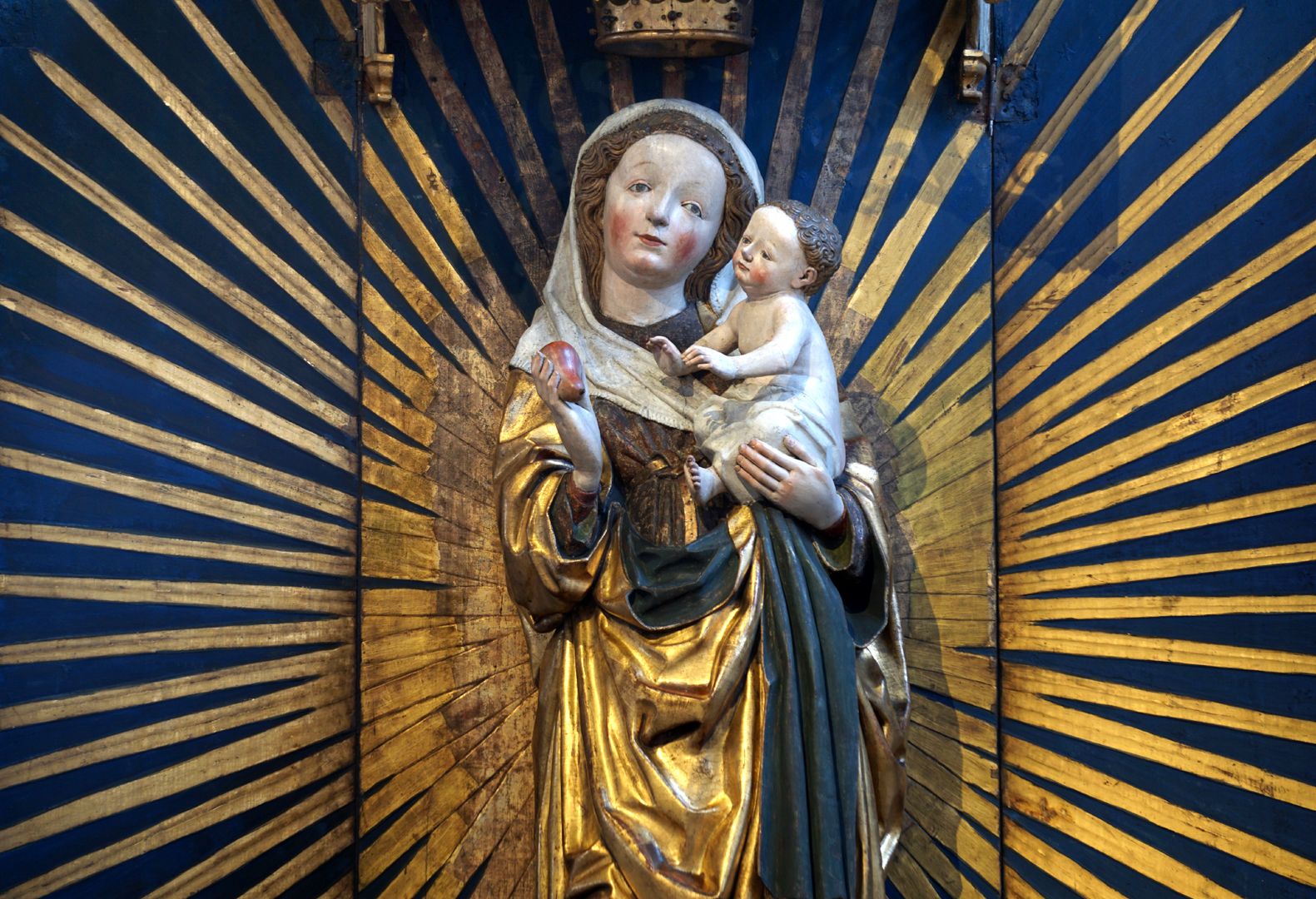
Foundation of the Nuremberg merchant and innkeeper Stefan Gabler († 1529) and his second wife Sophia née Gärtner († 1557). On December 3, 1522, the executor of the will of the painter Hans von Kulmbach acknowledged receipt of the outstanding 10 fl. to Stefan Gabler as payment for a painted panel, which could refer to the Schwabach altar. The Gabler family had already had a connection to the Mary altar in the Schwabach parish church for several generations. In 1444, one of Stefan Gabler's ancestors, Elisabeth, widow of Heinrich Gabler, made the funds available in her will for a preaching benefice with chaplaincy at the Our Lady altar.

The figure of Mary on the crescent moon is dated around 1475. On October 2, 1521, a dispute between Stefan Gabler and the painter Leonhard Schürstab was decided in such a way that the painter's demand for 53 guilders for the painting of an (altar) panel was granted. It is possible that Gabler also commissioned to paint the Schwabach altarpiece and the figure of the Virgin Mary.


Location: Schwabach, St. Martin

Design: Kulmbach, Hans Süß von

Realization: Kulmbach, Hans Süß von

photo 2021, Theo Noll

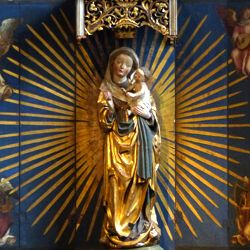
Altar of the Beautiful Mary Figure of the Virgin Mary, upper half of the body

Altar of the Beautiful Mary

1520

Figure of the Virgin Mary, upper half of the body


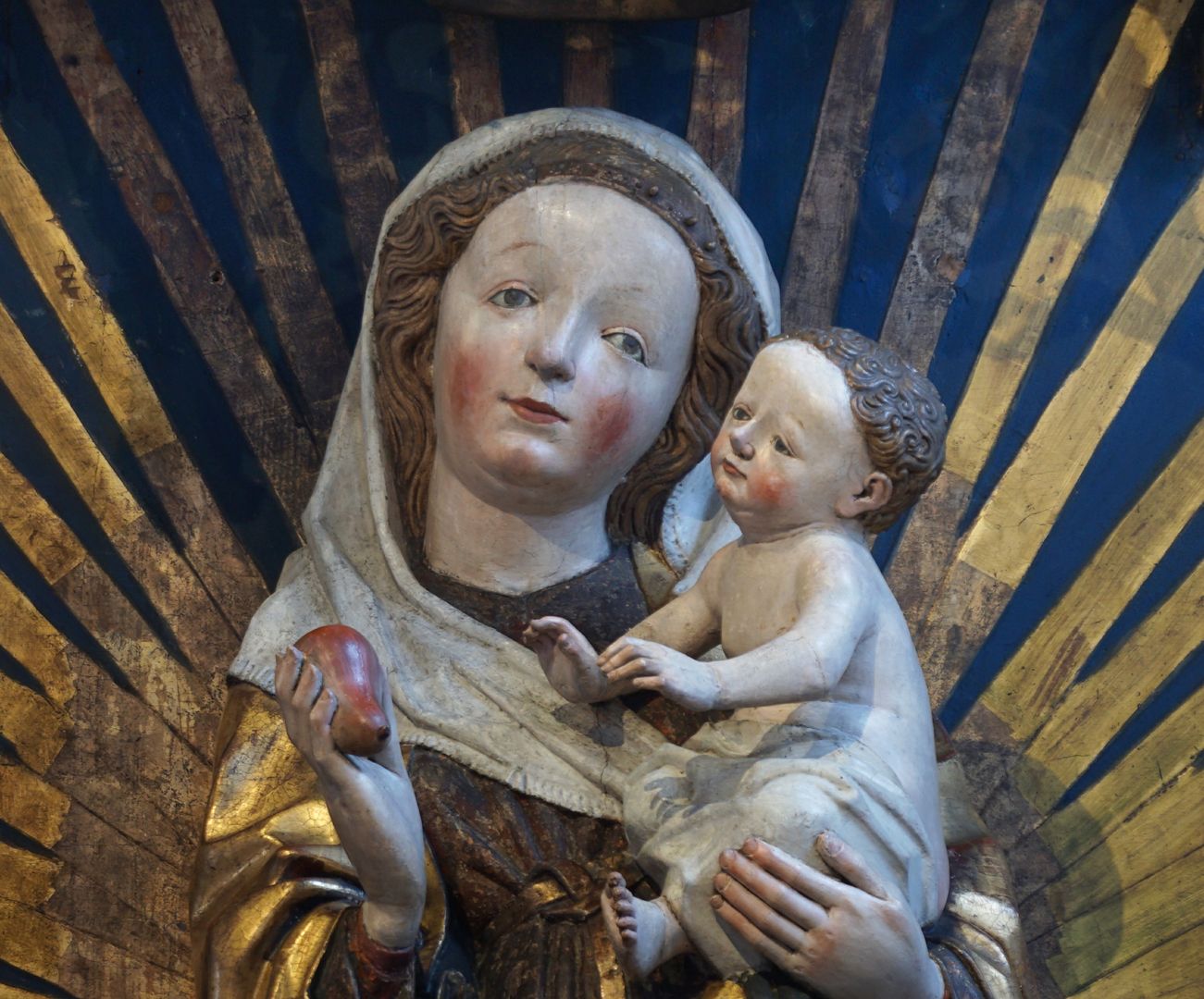
Foundation of the Nuremberg merchant and innkeeper Stefan Gabler († 1529) and his second wife Sophia née Gärtner († 1557). On December 3, 1522, the executor of the will of the painter Hans von Kulmbach acknowledged receipt of the outstanding 10 fl. to Stefan Gabler as payment for a painted panel, which could refer to the Schwabach altar. The Gabler family had already had a connection to the Mary altar in the Schwabach parish church for several generations. In 1444, one of Stefan Gabler's ancestors, Elisabeth, widow of Heinrich Gabler, made the funds available in her will for a preaching benefice with chaplaincy at the Our Lady altar.

The figure of Mary on the crescent moon is dated around 1475. On October 2, 1521, a dispute between Stefan Gabler and the painter Leonhard Schürstab was decided in such a way that the painter's demand for 53 guilders for the painting of an (altar) panel was granted. It is possible that Gabler also commissioned to paint the Schwabach altarpiece and the figure of the Virgin Mary.


Location: Schwabach, St. Martin

Design: Kulmbach, Hans Süß von

Realization: Kulmbach, Hans Süß von

photo 2021, Theo Noll

Altar of the Beautiful Mary Figure of the Virgin Mary, side view from the left

Altar of the Beautiful Mary

1520

Figure of the Virgin Mary, side view from the left


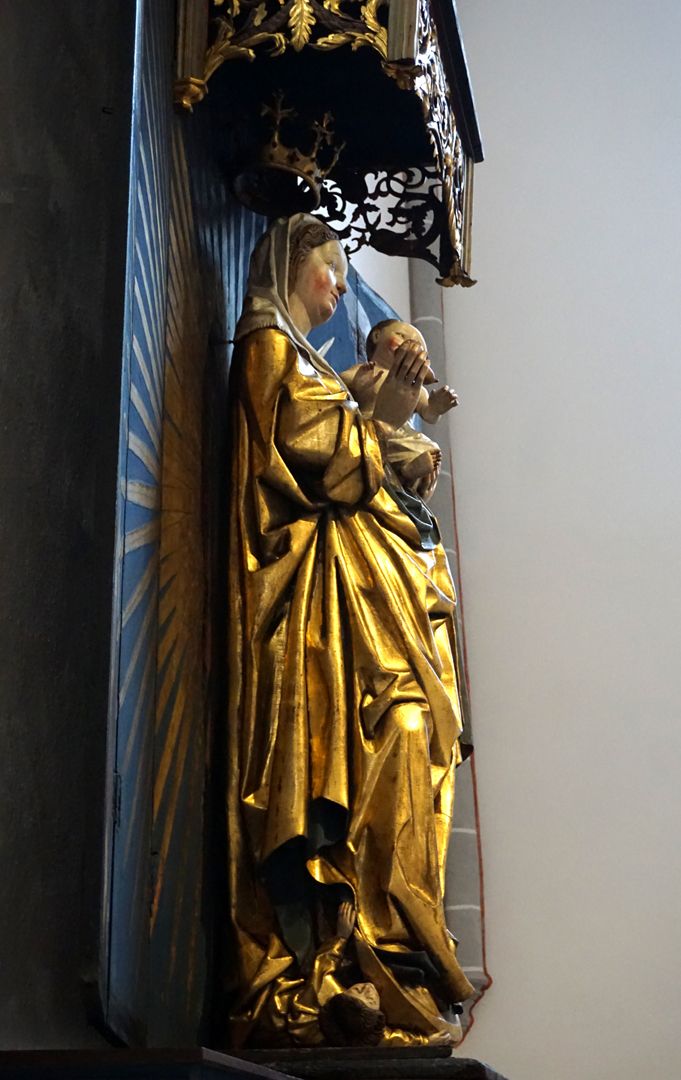
Foundation of the Nuremberg merchant and innkeeper Stefan Gabler († 1529) and his second wife Sophia née Gärtner († 1557). On December 3, 1522, the executor of the will of the painter Hans von Kulmbach acknowledged receipt of the outstanding 10 fl. to Stefan Gabler as payment for a painted panel, which could refer to the Schwabach altar. The Gabler family had already had a connection to the Mary altar in the Schwabach parish church for several generations. In 1444, one of Stefan Gabler's ancestors, Elisabeth, widow of Heinrich Gabler, made the funds available in her will for a preaching benefice with chaplaincy at the Our Lady altar.

The figure of Mary on the crescent moon is dated around 1475. On October 2, 1521, a dispute between Stefan Gabler and the painter Leonhard Schürstab was decided in such a way that the painter's demand for 53 guilders for the painting of an (altar) panel was granted. It is possible that Gabler also commissioned to paint the Schwabach altarpiece and the figure of the Virgin Mary.


Location: Schwabach, St. Martin

Design: Kulmbach, Hans Süß von

Realization: Kulmbach, Hans Süß von

photo 2021, Theo Noll

Altar of the Beautiful Mary Mary with the infant Jesus, holding a pear in her right hand

Altar of the Beautiful Mary

1520

Mary with the infant Jesus, holding a pear in her right hand


Foundation of the Nuremberg merchant and innkeeper Stefan Gabler († 1529) and his second wife Sophia née Gärtner († 1557). On December 3, 1522, the executor of the will of the painter Hans von Kulmbach acknowledged receipt of the outstanding 10 fl. to Stefan Gabler as payment for a painted panel, which could refer to the Schwabach altar. The Gabler family had already had a connection to the Mary altar in the Schwabach parish church for several generations. In 1444, one of Stefan Gabler's ancestors, Elisabeth, widow of Heinrich Gabler, made the funds available in her will for a preaching benefice with chaplaincy at the Our Lady altar.

The figure of Mary on the crescent moon is dated around 1475. On October 2, 1521, a dispute between Stefan Gabler and the painter Leonhard Schürstab was decided in such a way that the painter's demand for 53 guilders for the painting of an (altar) panel was granted. It is possible that Gabler also commissioned to paint the Schwabach altarpiece and the figure of the Virgin Mary.


Location: Schwabach, St. Martin

Design: Kulmbach, Hans Süß von

Realization: Kulmbach, Hans Süß von

photo 2021, Theo Noll

Altar of the Beautiful Mary Mary with the infant Jesus, detail view from the bottom left

Altar of the Beautiful Mary

1520

Mary with the infant Jesus, detail view from the bottom left


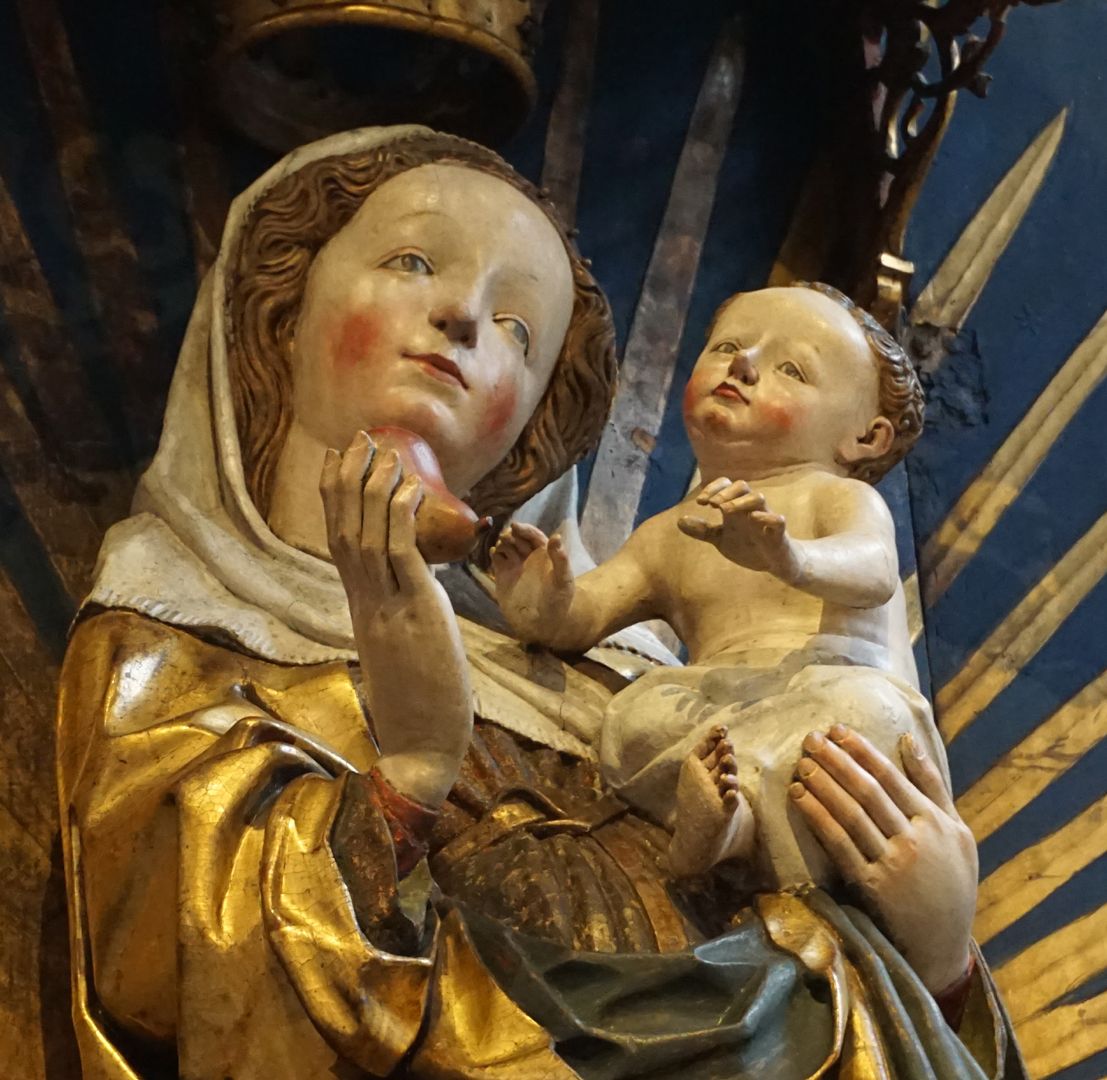
Foundation of the Nuremberg merchant and innkeeper Stefan Gabler († 1529) and his second wife Sophia née Gärtner († 1557). On December 3, 1522, the executor of the will of the painter Hans von Kulmbach acknowledged receipt of the outstanding 10 fl. to Stefan Gabler as payment for a painted panel, which could refer to the Schwabach altar. The Gabler family had already had a connection to the Mary altar in the Schwabach parish church for several generations. In 1444, one of Stefan Gabler's ancestors, Elisabeth, widow of Heinrich Gabler, made the funds available in her will for a preaching benefice with chaplaincy at the Our Lady altar.

The figure of Mary on the crescent moon is dated around 1475. On October 2, 1521, a dispute between Stefan Gabler and the painter Leonhard Schürstab was decided in such a way that the painter's demand for 53 guilders for the painting of an (altar) panel was granted. It is possible that Gabler also commissioned to paint the Schwabach altarpiece and the figure of the Virgin Mary.


Location: Schwabach, St. Martin

Design: Kulmbach, Hans Süß von

Realization: Kulmbach, Hans Süß von

photo 2021, Theo Noll

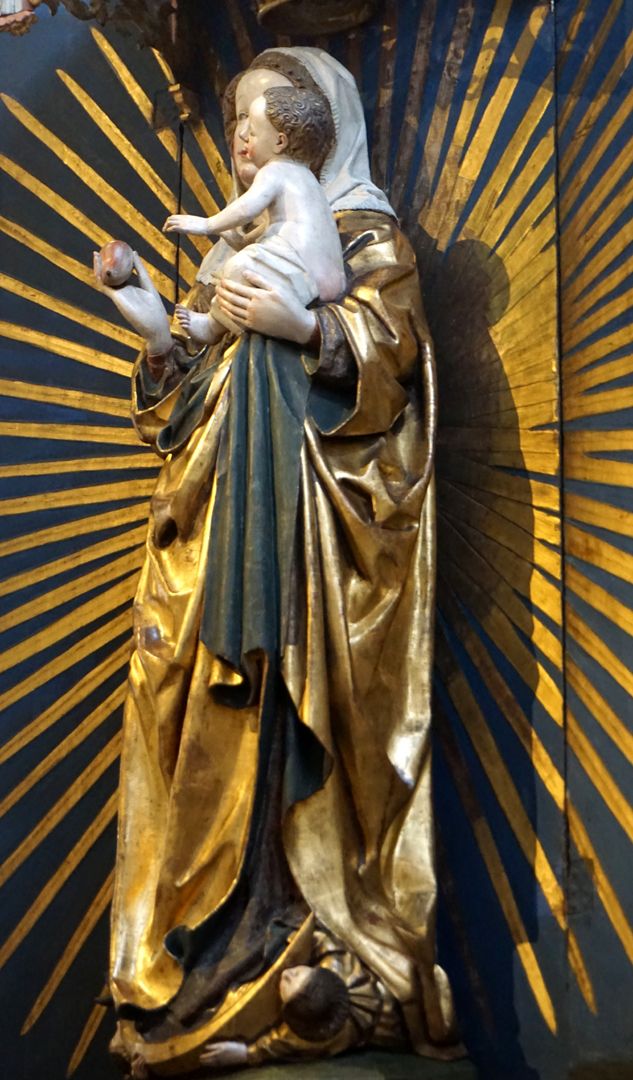
Altar of the Beautiful Mary Figure of Mary, side view from the right

Altar of the Beautiful Mary

1520

Figure of Mary, side view from the right


Foundation of the Nuremberg merchant and innkeeper Stefan Gabler († 1529) and his second wife Sophia née Gärtner († 1557). On December 3, 1522, the executor of the will of the painter Hans von Kulmbach acknowledged receipt of the outstanding 10 fl. to Stefan Gabler as payment for a painted panel, which could refer to the Schwabach altar. The Gabler family had already had a connection to the Mary altar in the Schwabach parish church for several generations. In 1444, one of Stefan Gabler's ancestors, Elisabeth, widow of Heinrich Gabler, made the funds available in her will for a preaching benefice with chaplaincy at the Our Lady altar.

The figure of Mary on the crescent moon is dated around 1475. On October 2, 1521, a dispute between Stefan Gabler and the painter Leonhard Schürstab was decided in such a way that the painter's demand for 53 guilders for the painting of an (altar) panel was granted. It is possible that Gabler also commissioned to paint the Schwabach altarpiece and the figure of the Virgin Mary.


Location: Schwabach, St. Martin

Design: Kulmbach, Hans Süß von

Realization: Kulmbach, Hans Süß von

photo 2021, Theo Noll

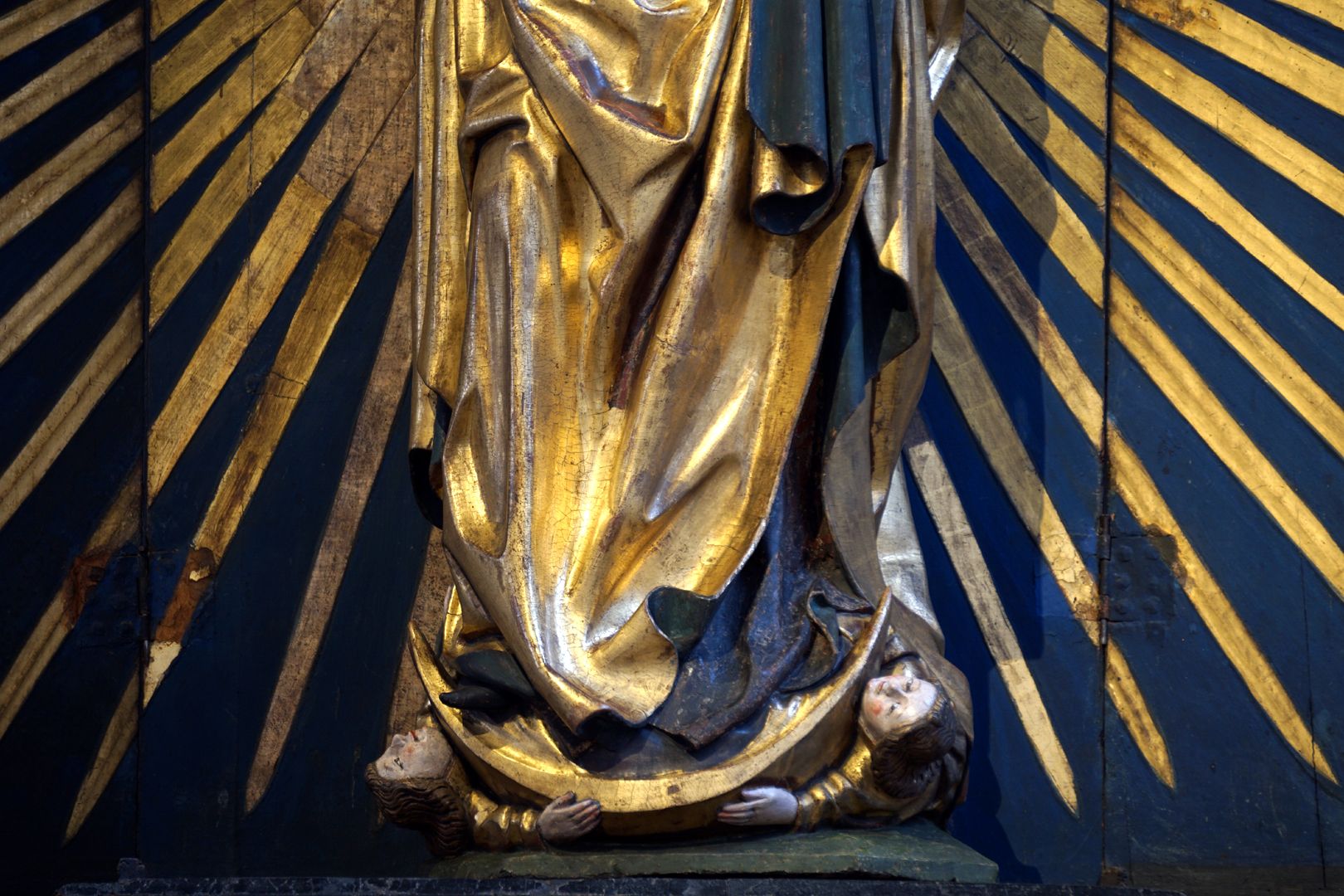
Altar of the Beautiful Mary Detail view, Mary on the crescent moon

Altar of the Beautiful Mary

1520

Detail view, Mary on the crescent moon


Foundation of the Nuremberg merchant and innkeeper Stefan Gabler († 1529) and his second wife Sophia née Gärtner († 1557). On December 3, 1522, the executor of the will of the painter Hans von Kulmbach acknowledged receipt of the outstanding 10 fl. to Stefan Gabler as payment for a painted panel, which could refer to the Schwabach altar. The Gabler family had already had a connection to the Mary altar in the Schwabach parish church for several generations. In 1444, one of Stefan Gabler's ancestors, Elisabeth, widow of Heinrich Gabler, made the funds available in her will for a preaching benefice with chaplaincy at the Our Lady altar.

The figure of Mary on the crescent moon is dated around 1475. On October 2, 1521, a dispute between Stefan Gabler and the painter Leonhard Schürstab was decided in such a way that the painter's demand for 53 guilders for the painting of an (altar) panel was granted. It is possible that Gabler also commissioned to paint the Schwabach altarpiece and the figure of the Virgin Mary.


Location: Schwabach, St. Martin

Design: Kulmbach, Hans Süß von

Realization: Kulmbach, Hans Süß von

photo 2021, Theo Noll

Altar of the Beautiful Mary Altar with open wings

Altar of the Beautiful Mary

1520

Altar with open wings


Foundation of the Nuremberg merchant and innkeeper Stefan Gabler († 1529) and his second wife Sophia née Gärtner († 1557). On December 3, 1522, the executor of the will of the painter Hans von Kulmbach acknowledged receipt of the outstanding 10 fl. to Stefan Gabler as payment for a painted panel, which could refer to the Schwabach altar. The Gabler family had already had a connection to the Mary altar in the Schwabach parish church for several generations. In 1444, one of Stefan Gabler's ancestors, Elisabeth, widow of Heinrich Gabler, made the funds available in her will for a preaching benefice with chaplaincy at the Our Lady altar.

The figure of Mary on the crescent moon is dated around 1475. On October 2, 1521, a dispute between Stefan Gabler and the painter Leonhard Schürstab was decided in such a way that the painter's demand for 53 guilders for the painting of an (altar) panel was granted. It is possible that Gabler also commissioned to paint the Schwabach altarpiece and the figure of the Virgin Mary.


Location: Schwabach, St. Martin

Design: Kulmbach, Hans Süß von

Realization: Kulmbach, Hans Süß von

photo 2021, Theo Noll

Altar of the Beautiful Mary Altar with open wings, left upper angel

Altar of the Beautiful Mary

1520

Altar with open wings, left upper angel


Foundation of the Nuremberg merchant and innkeeper Stefan Gabler († 1529) and his second wife Sophia née Gärtner († 1557). On December 3, 1522, the executor of the will of the painter Hans von Kulmbach acknowledged receipt of the outstanding 10 fl. to Stefan Gabler as payment for a painted panel, which could refer to the Schwabach altar. The Gabler family had already had a connection to the Mary altar in the Schwabach parish church for several generations. In 1444, one of Stefan Gabler's ancestors, Elisabeth, widow of Heinrich Gabler, made the funds available in her will for a preaching benefice with chaplaincy at the Our Lady altar.

The figure of Mary on the crescent moon is dated around 1475. On October 2, 1521, a dispute between Stefan Gabler and the painter Leonhard Schürstab was decided in such a way that the painter's demand for 53 guilders for the painting of an (altar) panel was granted. It is possible that Gabler also commissioned to paint the Schwabach altarpiece and the figure of the Virgin Mary.


Location: Schwabach, St. Martin

Design: Kulmbach, Hans Süß von

Realization: Kulmbach, Hans Süß von

photo 2021, Theo Noll

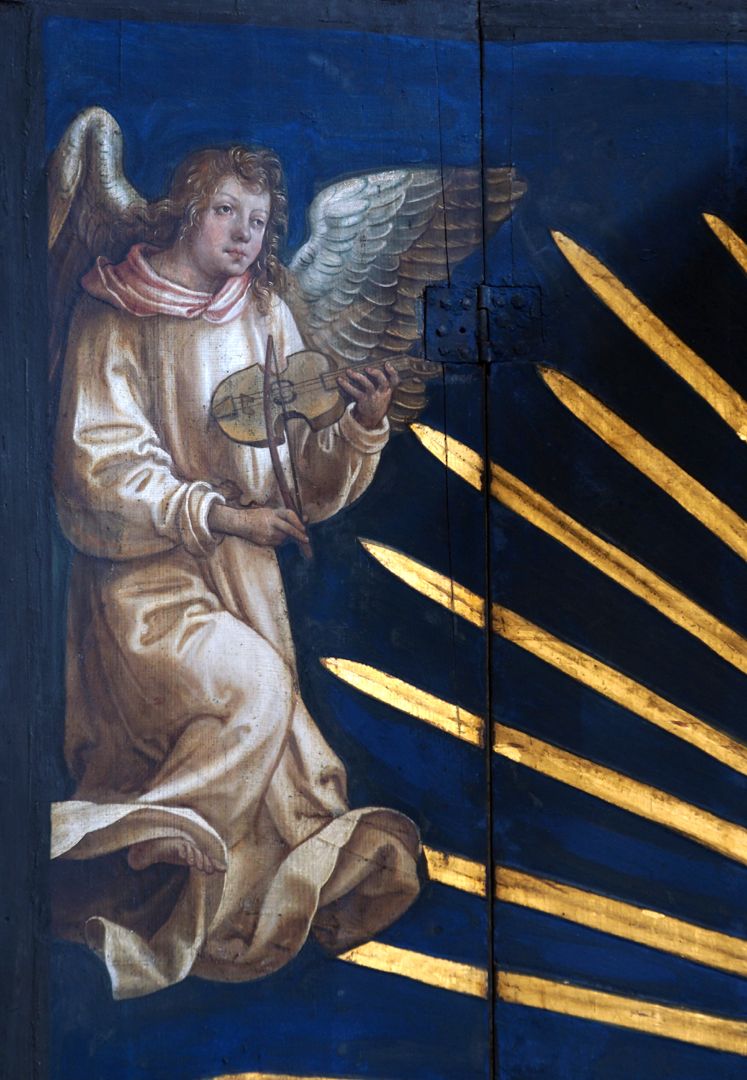
Altar of the Beautiful Mary Altar with open wings, left upper angel, detail

Altar of the Beautiful Mary

1520

Altar with open wings, left upper angel, detail


Foundation of the Nuremberg merchant and innkeeper Stefan Gabler († 1529) and his second wife Sophia née Gärtner († 1557). On December 3, 1522, the executor of the will of the painter Hans von Kulmbach acknowledged receipt of the outstanding 10 fl. to Stefan Gabler as payment for a painted panel, which could refer to the Schwabach altar. The Gabler family had already had a connection to the Mary altar in the Schwabach parish church for several generations. In 1444, one of Stefan Gabler's ancestors, Elisabeth, widow of Heinrich Gabler, made the funds available in her will for a preaching benefice with chaplaincy at the Our Lady altar.

The figure of Mary on the crescent moon is dated around 1475. On October 2, 1521, a dispute between Stefan Gabler and the painter Leonhard Schürstab was decided in such a way that the painter's demand for 53 guilders for the painting of an (altar) panel was granted. It is possible that Gabler also commissioned to paint the Schwabach altarpiece and the figure of the Virgin Mary.


Location: Schwabach, St. Martin

Design: Kulmbach, Hans Süß von

Realization: Kulmbach, Hans Süß von

photo 2021, Theo Noll

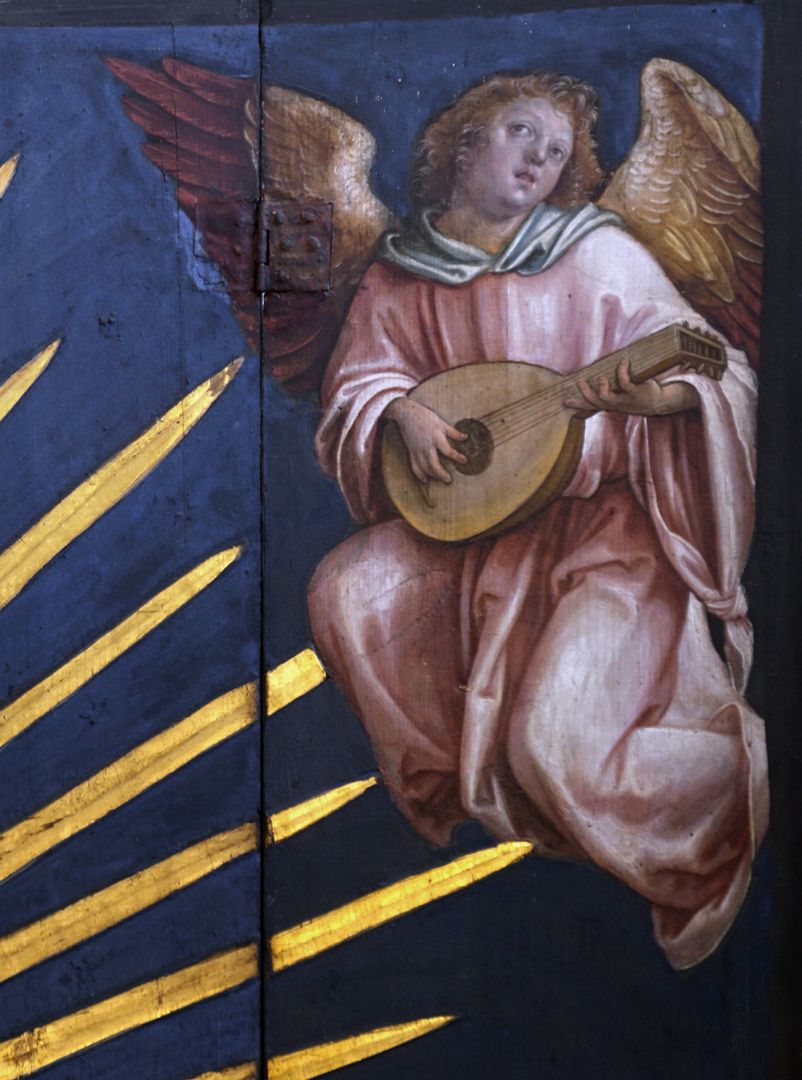
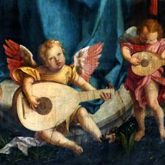
Altar of the Beautiful Mary Angel with the lute (very Italian style)

Altar of the Beautiful Mary

1520

Angel with the lute (very Italian style)


Foundation of the Nuremberg merchant and innkeeper Stefan Gabler († 1529) and his second wife Sophia née Gärtner († 1557). On December 3, 1522, the executor of the will of the painter Hans von Kulmbach acknowledged receipt of the outstanding 10 fl. to Stefan Gabler as payment for a painted panel, which could refer to the Schwabach altar. The Gabler family had already had a connection to the Mary altar in the Schwabach parish church for several generations. In 1444, one of Stefan Gabler's ancestors, Elisabeth, widow of Heinrich Gabler, made the funds available in her will for a preaching benefice with chaplaincy at the Our Lady altar.

The figure of Mary on the crescent moon is dated around 1475. On October 2, 1521, a dispute between Stefan Gabler and the painter Leonhard Schürstab was decided in such a way that the painter's demand for 53 guilders for the painting of an (altar) panel was granted. It is possible that Gabler also commissioned to paint the Schwabach altarpiece and the figure of the Virgin Mary.


Location: Schwabach, St. Martin

Design: Kulmbach, Hans Süß von

Realization: Kulmbach, Hans Süß von

photo 2021, Theo Noll

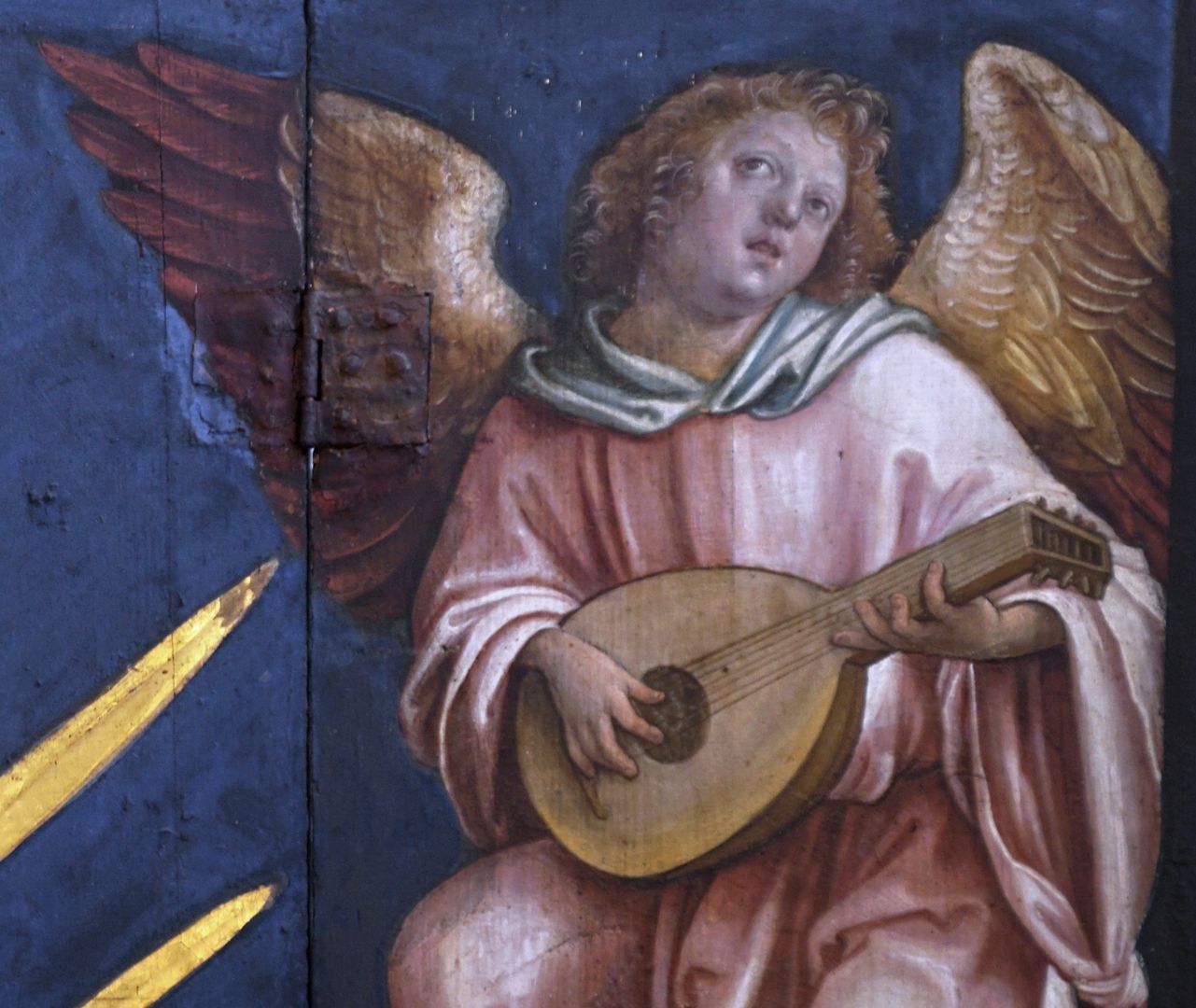
Altar of the Beautiful Mary Angel with the lute (very Italian style), detail

Altar of the Beautiful Mary

1520

Angel with the lute (very Italian style), detail


Foundation of the Nuremberg merchant and innkeeper Stefan Gabler († 1529) and his second wife Sophia née Gärtner († 1557). On December 3, 1522, the executor of the will of the painter Hans von Kulmbach acknowledged receipt of the outstanding 10 fl. to Stefan Gabler as payment for a painted panel, which could refer to the Schwabach altar. The Gabler family had already had a connection to the Mary altar in the Schwabach parish church for several generations. In 1444, one of Stefan Gabler's ancestors, Elisabeth, widow of Heinrich Gabler, made the funds available in her will for a preaching benefice with chaplaincy at the Our Lady altar.

The figure of Mary on the crescent moon is dated around 1475. On October 2, 1521, a dispute between Stefan Gabler and the painter Leonhard Schürstab was decided in such a way that the painter's demand for 53 guilders for the painting of an (altar) panel was granted. It is possible that Gabler also commissioned to paint the Schwabach altarpiece and the figure of the Virgin Mary.


Location: Schwabach, St. Martin

Design: Kulmbach, Hans Süß von

Realization: Kulmbach, Hans Süß von

photo 2021, Theo Noll

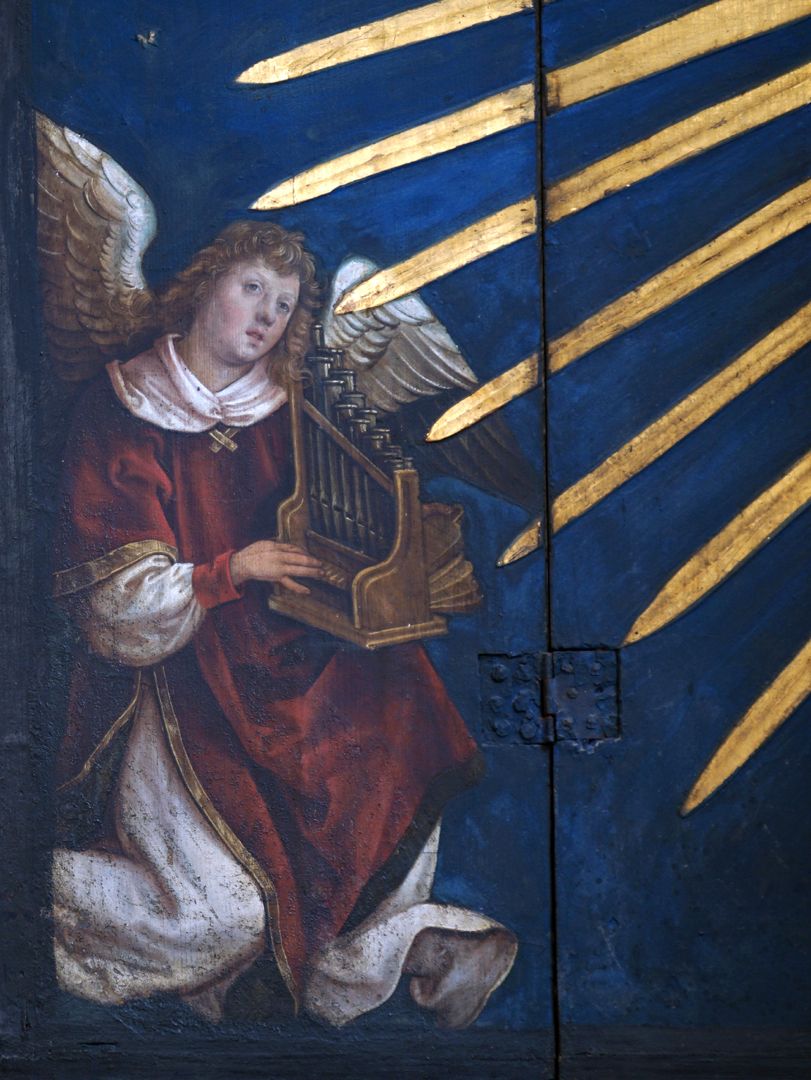
Altar of the Beautiful Mary Angel with organ portative

Altar of the Beautiful Mary

1520

Angel with organ portative


Foundation of the Nuremberg merchant and innkeeper Stefan Gabler († 1529) and his second wife Sophia née Gärtner († 1557). On December 3, 1522, the executor of the will of the painter Hans von Kulmbach acknowledged receipt of the outstanding 10 fl. to Stefan Gabler as payment for a painted panel, which could refer to the Schwabach altar. The Gabler family had already had a connection to the Mary altar in the Schwabach parish church for several generations. In 1444, one of Stefan Gabler's ancestors, Elisabeth, widow of Heinrich Gabler, made the funds available in her will for a preaching benefice with chaplaincy at the Our Lady altar.

The figure of Mary on the crescent moon is dated around 1475. On October 2, 1521, a dispute between Stefan Gabler and the painter Leonhard Schürstab was decided in such a way that the painter's demand for 53 guilders for the painting of an (altar) panel was granted. It is possible that Gabler also commissioned to paint the Schwabach altarpiece and the figure of the Virgin Mary.


Location: Schwabach, St. Martin

Design: Kulmbach, Hans Süß von

Realization: Kulmbach, Hans Süß von

photo 2021, Theo Noll

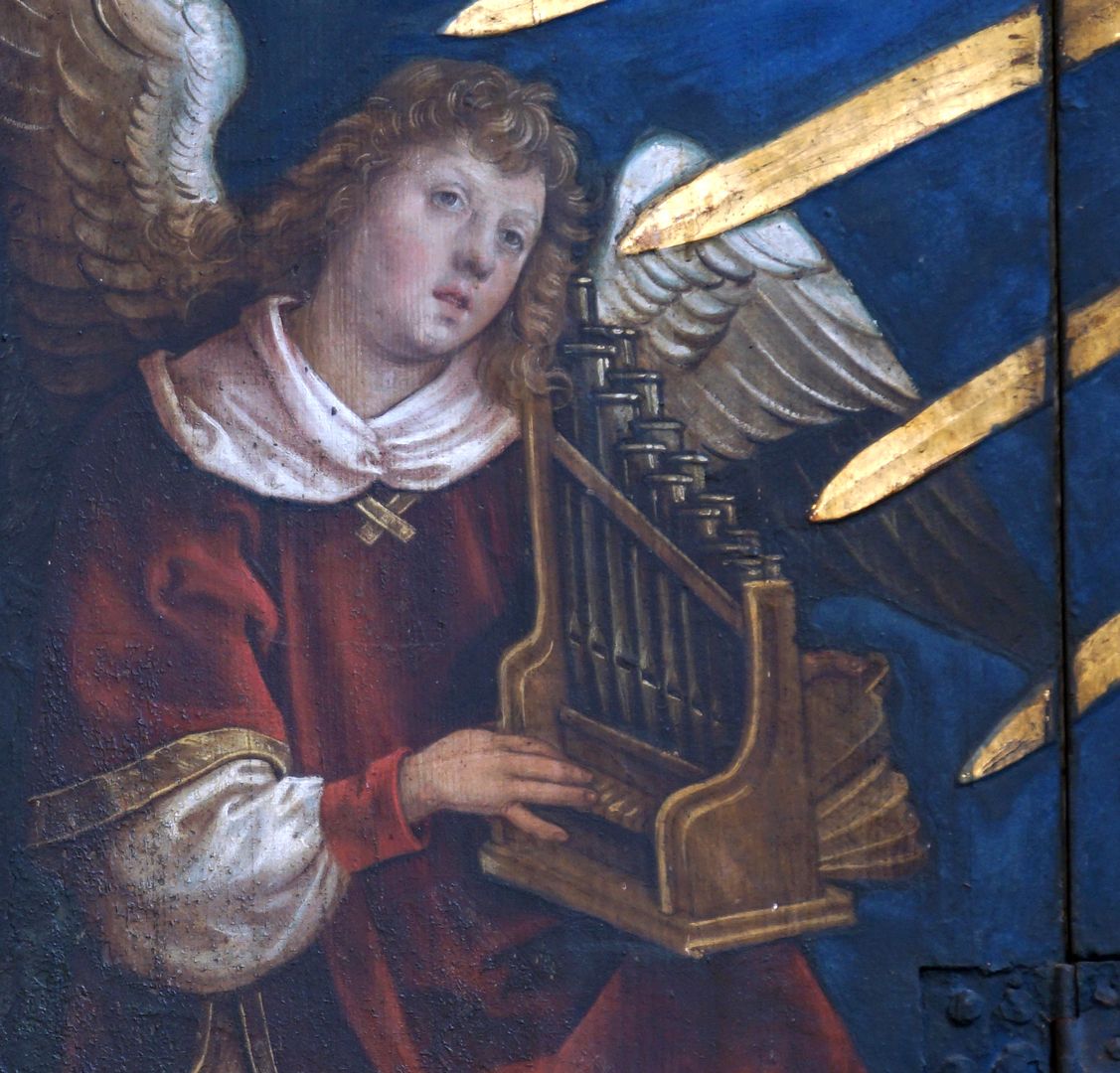
Altar of the Beautiful Mary ,Angel with organ portativ, detail

Altar of the Beautiful Mary

1520

,Angel with organ portativ, detail


Foundation of the Nuremberg merchant and innkeeper Stefan Gabler († 1529) and his second wife Sophia née Gärtner († 1557). On December 3, 1522, the executor of the will of the painter Hans von Kulmbach acknowledged receipt of the outstanding 10 fl. to Stefan Gabler as payment for a painted panel, which could refer to the Schwabach altar. The Gabler family had already had a connection to the Mary altar in the Schwabach parish church for several generations. In 1444, one of Stefan Gabler's ancestors, Elisabeth, widow of Heinrich Gabler, made the funds available in her will for a preaching benefice with chaplaincy at the Our Lady altar.

The figure of Mary on the crescent moon is dated around 1475. On October 2, 1521, a dispute between Stefan Gabler and the painter Leonhard Schürstab was decided in such a way that the painter's demand for 53 guilders for the painting of an (altar) panel was granted. It is possible that Gabler also commissioned to paint the Schwabach altarpiece and the figure of the Virgin Mary.


Location: Schwabach, St. Martin

Design: Kulmbach, Hans Süß von

Realization: Kulmbach, Hans Süß von

photo 2021, Theo Noll

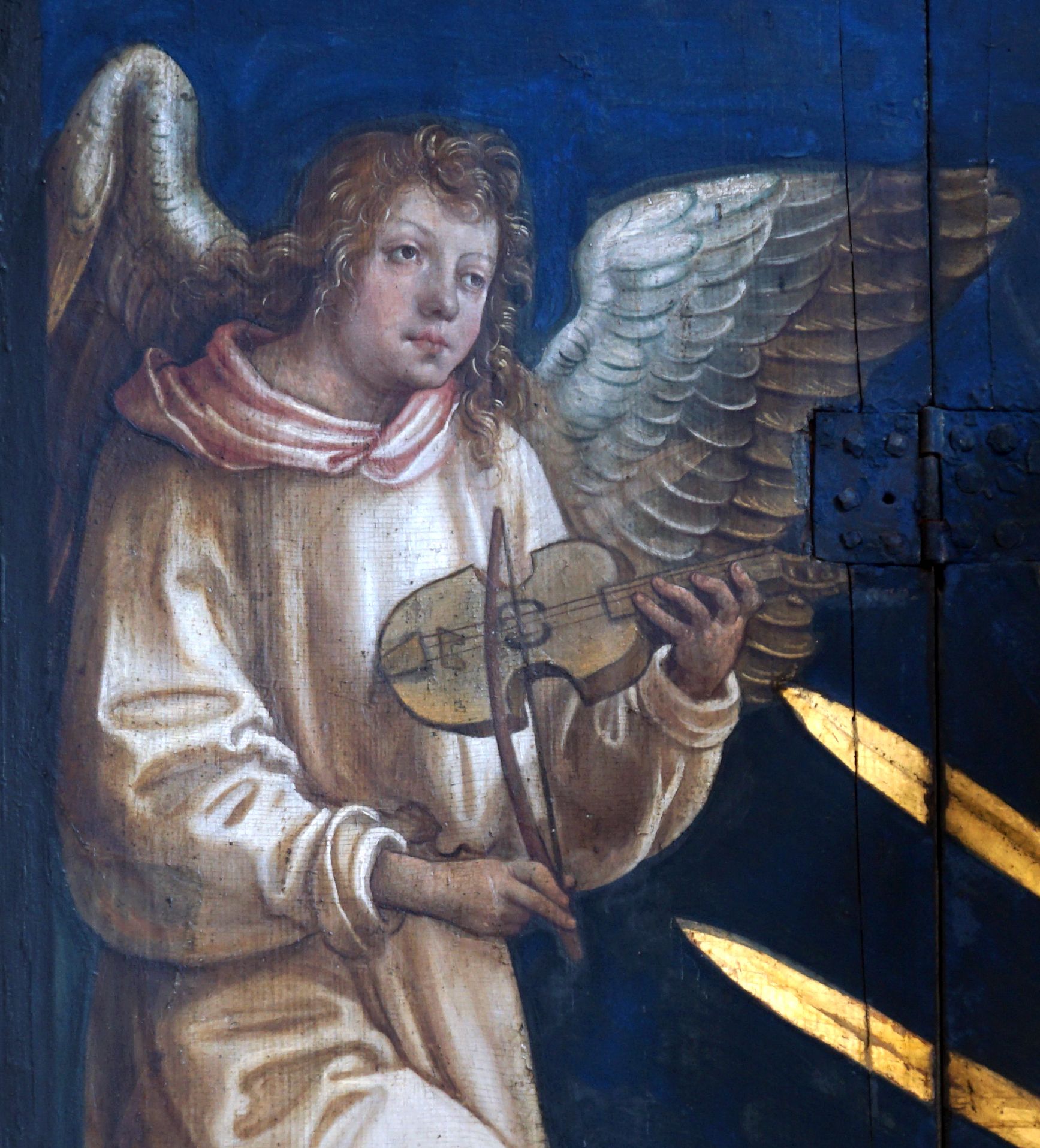
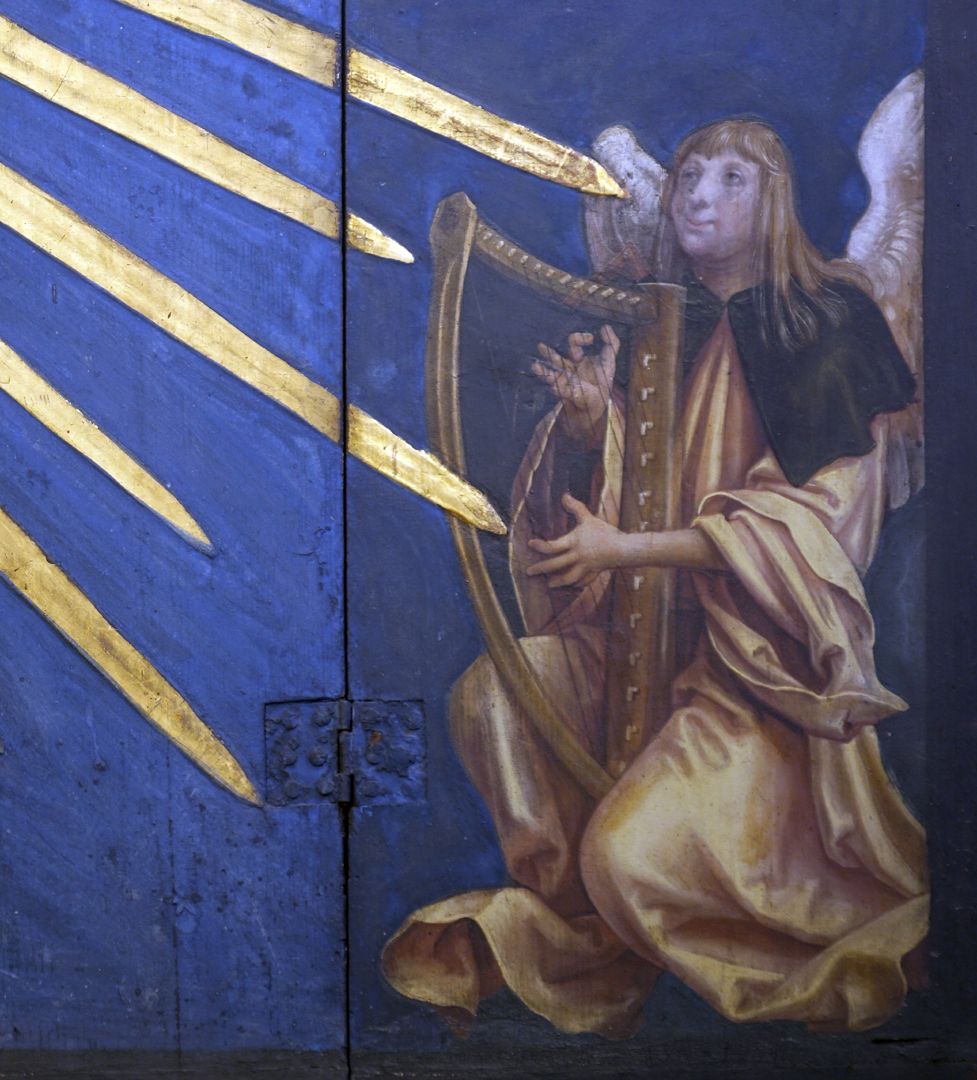
Altar of the Beautiful Mary Angel with harp

Altar of the Beautiful Mary

1520

Angel with harp


Foundation of the Nuremberg merchant and innkeeper Stefan Gabler († 1529) and his second wife Sophia née Gärtner († 1557). On December 3, 1522, the executor of the will of the painter Hans von Kulmbach acknowledged receipt of the outstanding 10 fl. to Stefan Gabler as payment for a painted panel, which could refer to the Schwabach altar. The Gabler family had already had a connection to the Mary altar in the Schwabach parish church for several generations. In 1444, one of Stefan Gabler's ancestors, Elisabeth, widow of Heinrich Gabler, made the funds available in her will for a preaching benefice with chaplaincy at the Our Lady altar.

The figure of Mary on the crescent moon is dated around 1475. On October 2, 1521, a dispute between Stefan Gabler and the painter Leonhard Schürstab was decided in such a way that the painter's demand for 53 guilders for the painting of an (altar) panel was granted. It is possible that Gabler also commissioned to paint the Schwabach altarpiece and the figure of the Virgin Mary.


Location: Schwabach, St. Martin

Design: Kulmbach, Hans Süß von

Realization: Kulmbach, Hans Süß von

photo 2021, Theo Noll

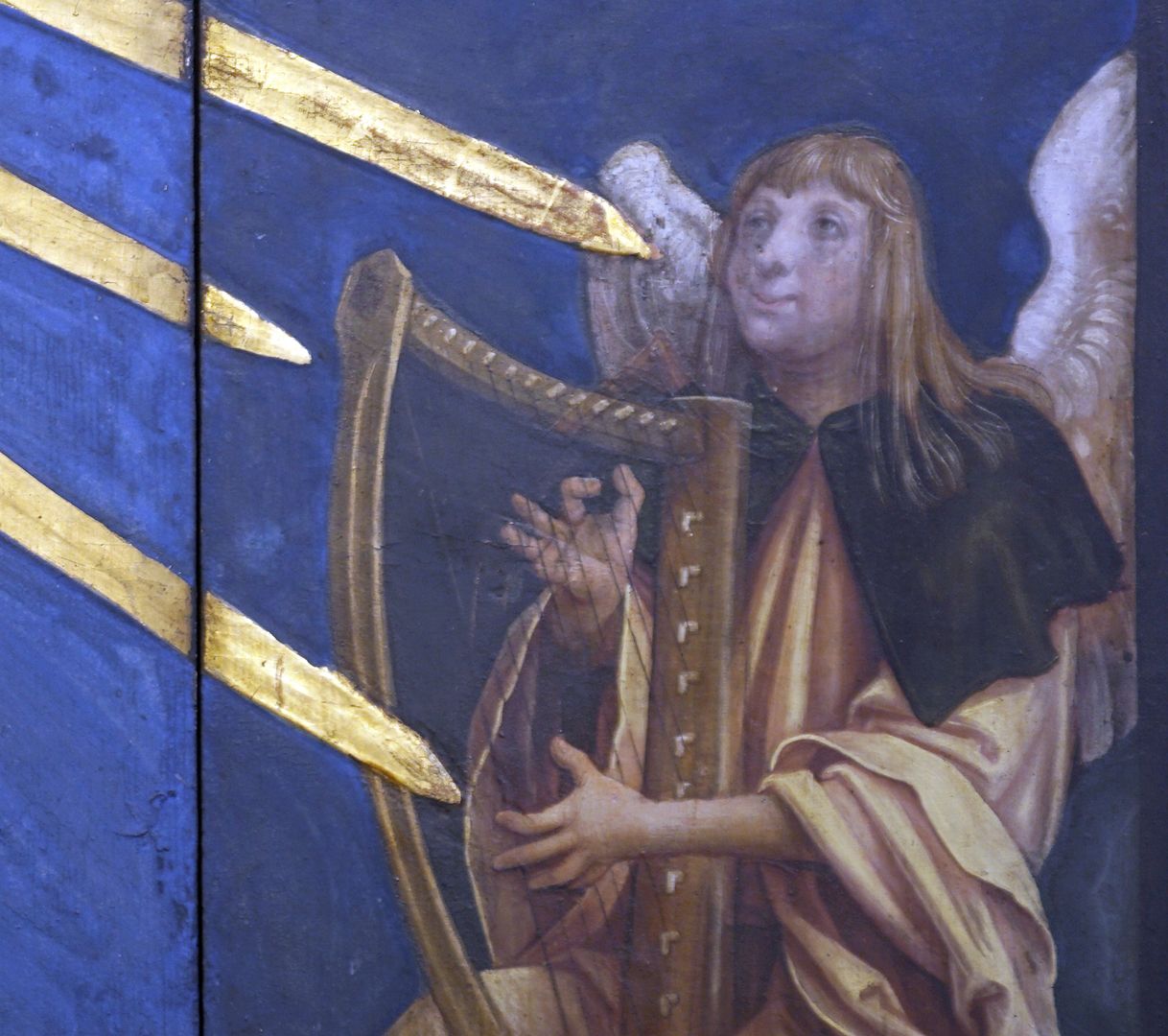
Altar of the Beautiful Mary Angel with harp, detail

Altar of the Beautiful Mary

1520

Angel with harp, detail


Foundation of the Nuremberg merchant and innkeeper Stefan Gabler († 1529) and his second wife Sophia née Gärtner († 1557). On December 3, 1522, the executor of the will of the painter Hans von Kulmbach acknowledged receipt of the outstanding 10 fl. to Stefan Gabler as payment for a painted panel, which could refer to the Schwabach altar. The Gabler family had already had a connection to the Mary altar in the Schwabach parish church for several generations. In 1444, one of Stefan Gabler's ancestors, Elisabeth, widow of Heinrich Gabler, made the funds available in her will for a preaching benefice with chaplaincy at the Our Lady altar.

The figure of Mary on the crescent moon is dated around 1475. On October 2, 1521, a dispute between Stefan Gabler and the painter Leonhard Schürstab was decided in such a way that the painter's demand for 53 guilders for the painting of an (altar) panel was granted. It is possible that Gabler also commissioned to paint the Schwabach altarpiece and the figure of the Virgin Mary.


Location: Schwabach, St. Martin

Design: Kulmbach, Hans Süß von

Realization: Kulmbach, Hans Süß von

photo 2021, Theo Noll

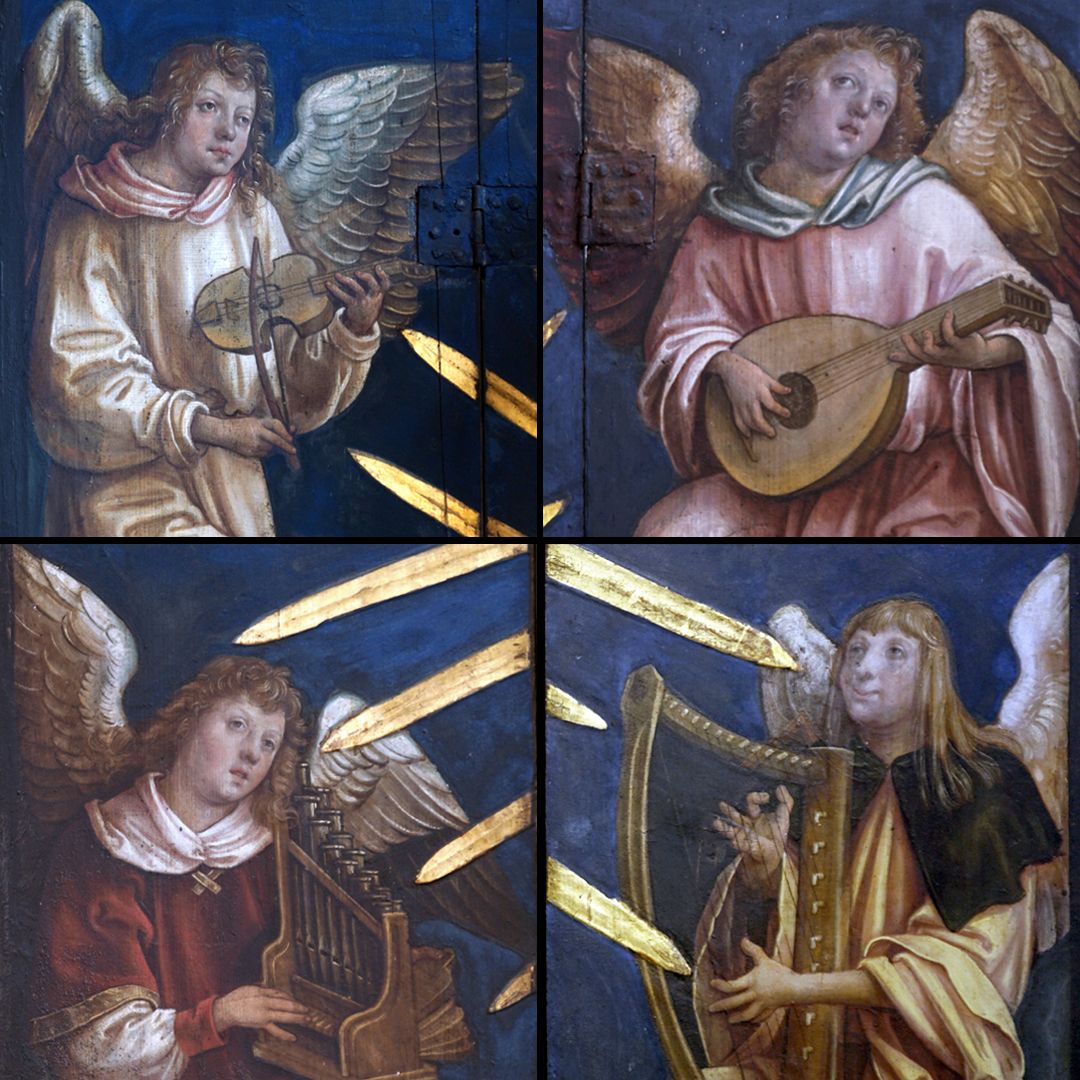
Altar of the Beautiful Mary comparison of the four angels

Altar of the Beautiful Mary

1520

comparison of the four angels


Foundation of the Nuremberg merchant and innkeeper Stefan Gabler († 1529) and his second wife Sophia née Gärtner († 1557). On December 3, 1522, the executor of the will of the painter Hans von Kulmbach acknowledged receipt of the outstanding 10 fl. to Stefan Gabler as payment for a painted panel, which could refer to the Schwabach altar. The Gabler family had already had a connection to the Mary altar in the Schwabach parish church for several generations. In 1444, one of Stefan Gabler's ancestors, Elisabeth, widow of Heinrich Gabler, made the funds available in her will for a preaching benefice with chaplaincy at the Our Lady altar.

The figure of Mary on the crescent moon is dated around 1475. On October 2, 1521, a dispute between Stefan Gabler and the painter Leonhard Schürstab was decided in such a way that the painter's demand for 53 guilders for the painting of an (altar) panel was granted. It is possible that Gabler also commissioned to paint the Schwabach altarpiece and the figure of the Virgin Mary.


Location: Schwabach, St. Martin

Design: Kulmbach, Hans Süß von

Realization: Kulmbach, Hans Süß von

photo 2021, Theo Noll

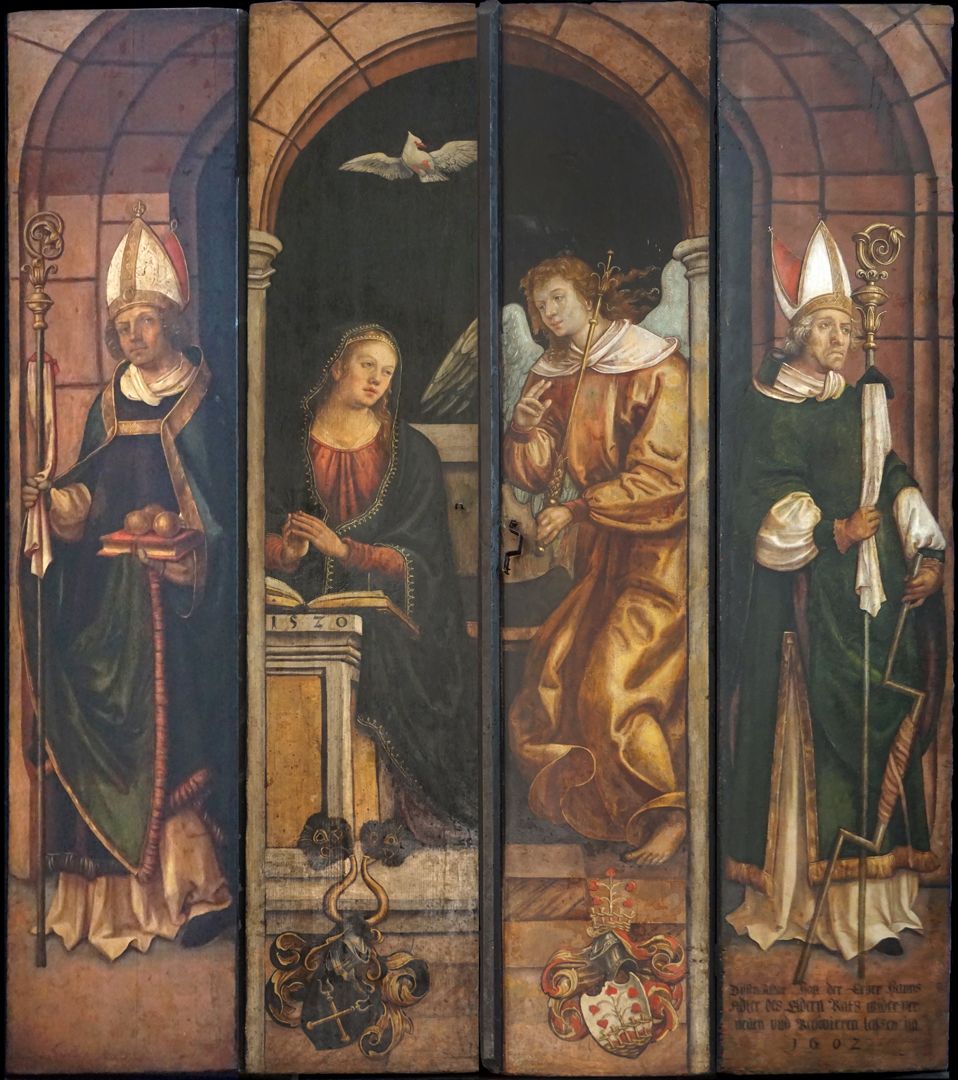
Altar of the Beautiful Mary The outer panels of the closed altar (photomontage)

Altar of the Beautiful Mary

1520

The outer panels of the closed altar (photomontage)


Foundation of the Nuremberg merchant and innkeeper Stefan Gabler († 1529) and his second wife Sophia née Gärtner († 1557). On December 3, 1522, the executor of the will of the painter Hans von Kulmbach acknowledged receipt of the outstanding 10 fl. to Stefan Gabler as payment for a painted panel, which could refer to the Schwabach altar. The Gabler family had already had a connection to the Mary altar in the Schwabach parish church for several generations. In 1444, one of Stefan Gabler's ancestors, Elisabeth, widow of Heinrich Gabler, made the funds available in her will for a preaching benefice with chaplaincy at the Our Lady altar.

The figure of Mary on the crescent moon is dated around 1475. On October 2, 1521, a dispute between Stefan Gabler and the painter Leonhard Schürstab was decided in such a way that the painter's demand for 53 guilders for the painting of an (altar) panel was granted. It is possible that Gabler also commissioned to paint the Schwabach altarpiece and the figure of the Virgin Mary.


Location: Schwabach, St. Martin

Design: Kulmbach, Hans Süß von

Realization: Kulmbach, Hans Süß von

photo 2021, Theo Noll

Altar of the Beautiful Mary Altar with closed wings

Altar of the Beautiful Mary

1520

Altar with closed wings


Foundation of the Nuremberg merchant and innkeeper Stefan Gabler († 1529) and his second wife Sophia née Gärtner († 1557). On December 3, 1522, the executor of the will of the painter Hans von Kulmbach acknowledged receipt of the outstanding 10 fl. to Stefan Gabler as payment for a painted panel, which could refer to the Schwabach altar. The Gabler family had already had a connection to the Mary altar in the Schwabach parish church for several generations. In 1444, one of Stefan Gabler's ancestors, Elisabeth, widow of Heinrich Gabler, made the funds available in her will for a preaching benefice with chaplaincy at the Our Lady altar.

The figure of Mary on the crescent moon is dated around 1475. On October 2, 1521, a dispute between Stefan Gabler and the painter Leonhard Schürstab was decided in such a way that the painter's demand for 53 guilders for the painting of an (altar) panel was granted. It is possible that Gabler also commissioned to paint the Schwabach altarpiece and the figure of the Virgin Mary.


Location: Schwabach, St. Martin

Design: Kulmbach, Hans Süß von

Realization: Kulmbach, Hans Süß von

photo 2021, Theo Noll

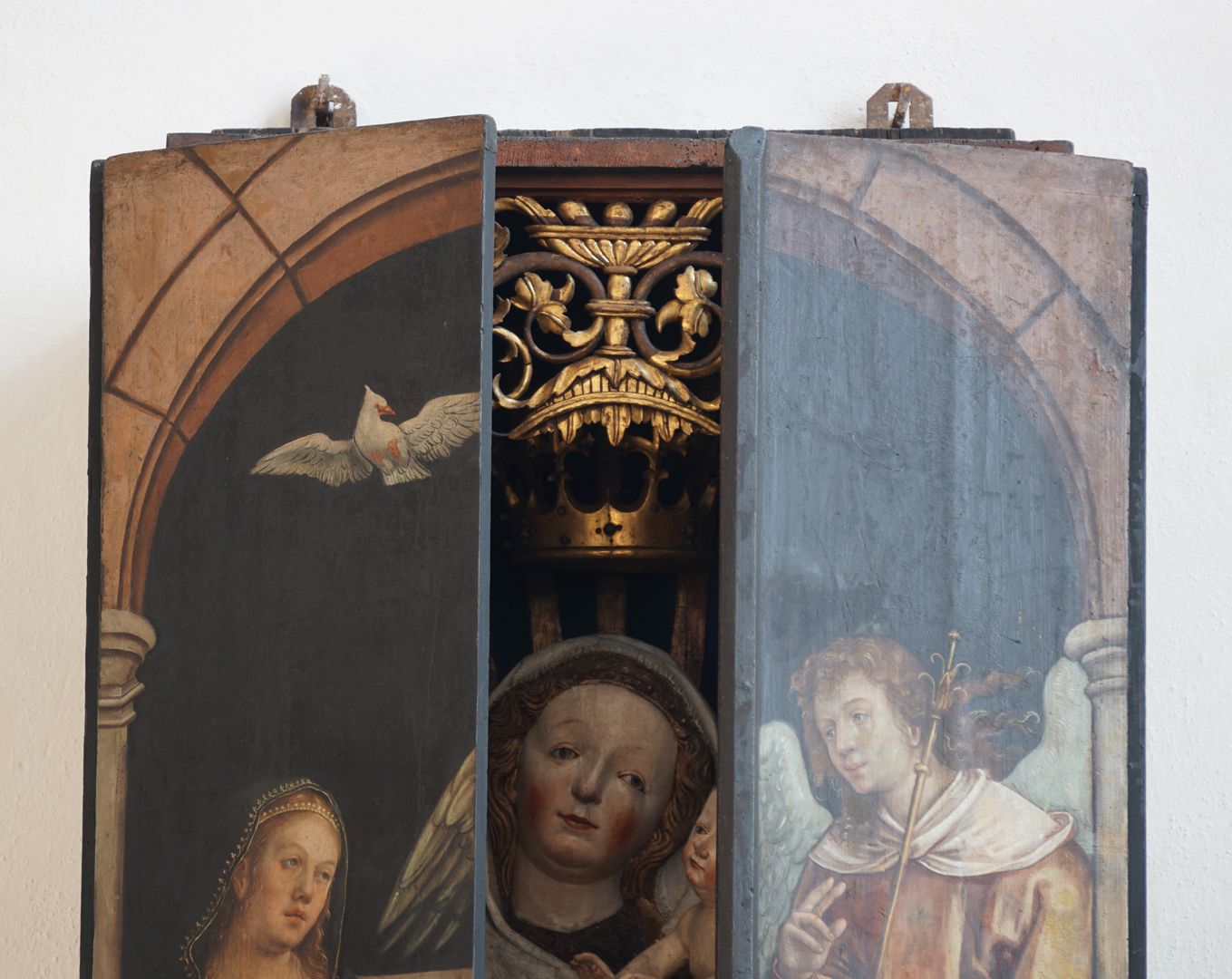
Altar of the Beautiful Mary The altar with closed wings, detail with view of the Madonna

Altar of the Beautiful Mary

1520

The altar with closed wings, detail with view of the Madonna


Foundation of the Nuremberg merchant and innkeeper Stefan Gabler († 1529) and his second wife Sophia née Gärtner († 1557). On December 3, 1522, the executor of the will of the painter Hans von Kulmbach acknowledged receipt of the outstanding 10 fl. to Stefan Gabler as payment for a painted panel, which could refer to the Schwabach altar. The Gabler family had already had a connection to the Mary altar in the Schwabach parish church for several generations. In 1444, one of Stefan Gabler's ancestors, Elisabeth, widow of Heinrich Gabler, made the funds available in her will for a preaching benefice with chaplaincy at the Our Lady altar.

The figure of Mary on the crescent moon is dated around 1475. On October 2, 1521, a dispute between Stefan Gabler and the painter Leonhard Schürstab was decided in such a way that the painter's demand for 53 guilders for the painting of an (altar) panel was granted. It is possible that Gabler also commissioned to paint the Schwabach altarpiece and the figure of the Virgin Mary.


Location: Schwabach, St. Martin

Design: Kulmbach, Hans Süß von

Realization: Kulmbach, Hans Süß von

photo 2021,

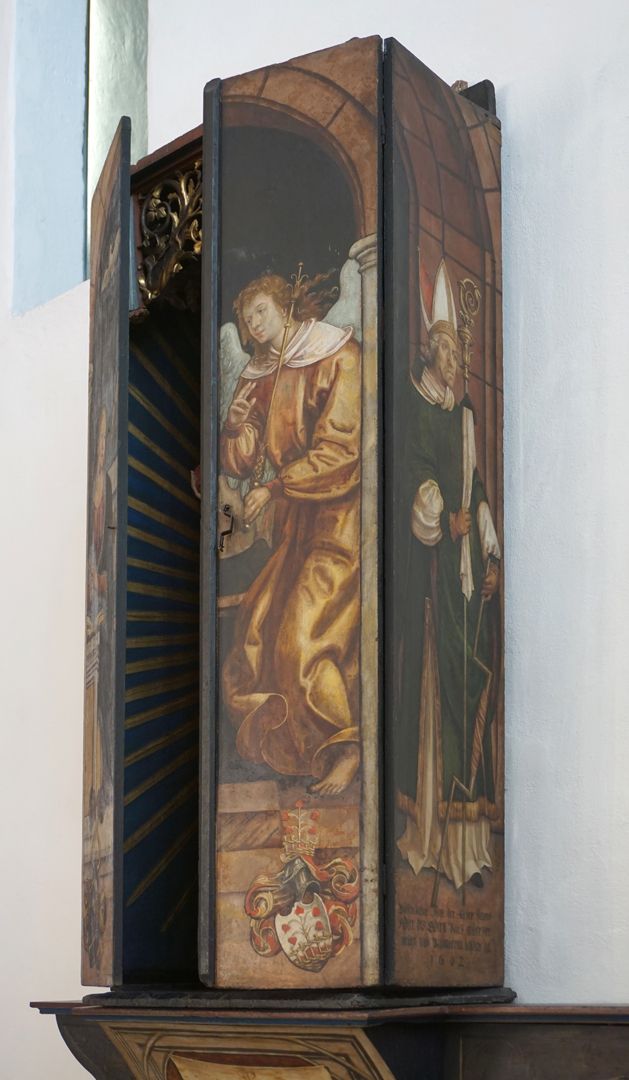
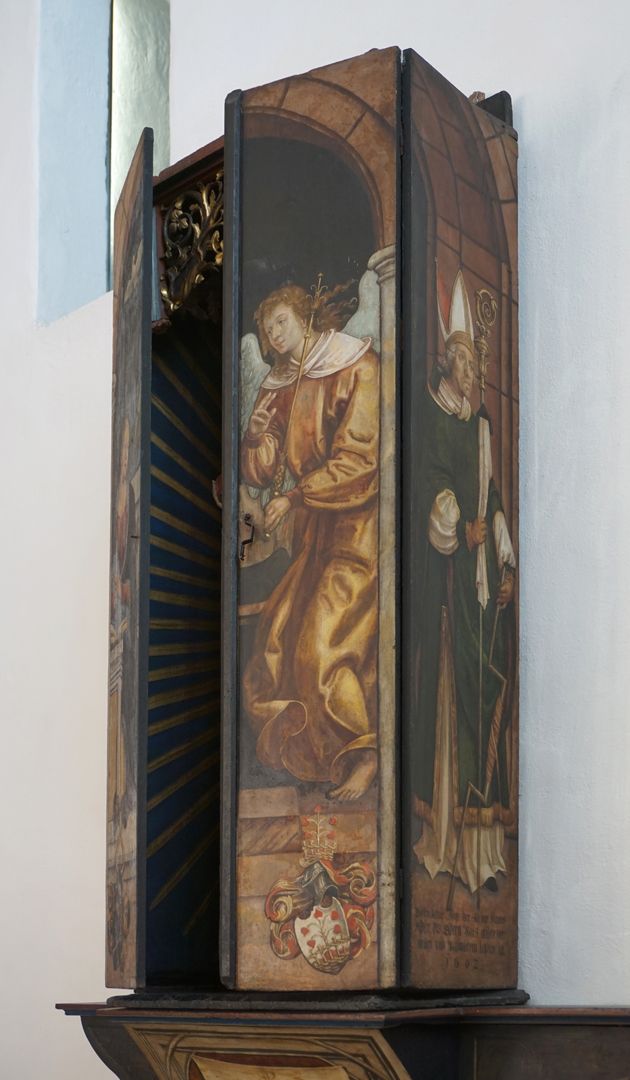
Altar of the Beautiful Mary The altar with closed wings, oblique view from the right with Annunciation angel and Saint Erasmus

Altar of the Beautiful Mary

1520

The altar with closed wings, oblique view from the right with Annunciation angel and Saint Erasmus


Foundation of the Nuremberg merchant and innkeeper Stefan Gabler († 1529) and his second wife Sophia née Gärtner († 1557). On December 3, 1522, the executor of the will of the painter Hans von Kulmbach acknowledged receipt of the outstanding 10 fl. to Stefan Gabler as payment for a painted panel, which could refer to the Schwabach altar. The Gabler family had already had a connection to the Mary altar in the Schwabach parish church for several generations. In 1444, one of Stefan Gabler's ancestors, Elisabeth, widow of Heinrich Gabler, made the funds available in her will for a preaching benefice with chaplaincy at the Our Lady altar.

The figure of Mary on the crescent moon is dated around 1475. On October 2, 1521, a dispute between Stefan Gabler and the painter Leonhard Schürstab was decided in such a way that the painter's demand for 53 guilders for the painting of an (altar) panel was granted. It is possible that Gabler also commissioned to paint the Schwabach altarpiece and the figure of the Virgin Mary.


Location: Schwabach, St. Martin

Design: Kulmbach, Hans Süß von

Realization: Kulmbach, Hans Süß von

photo 2021, Theo Noll

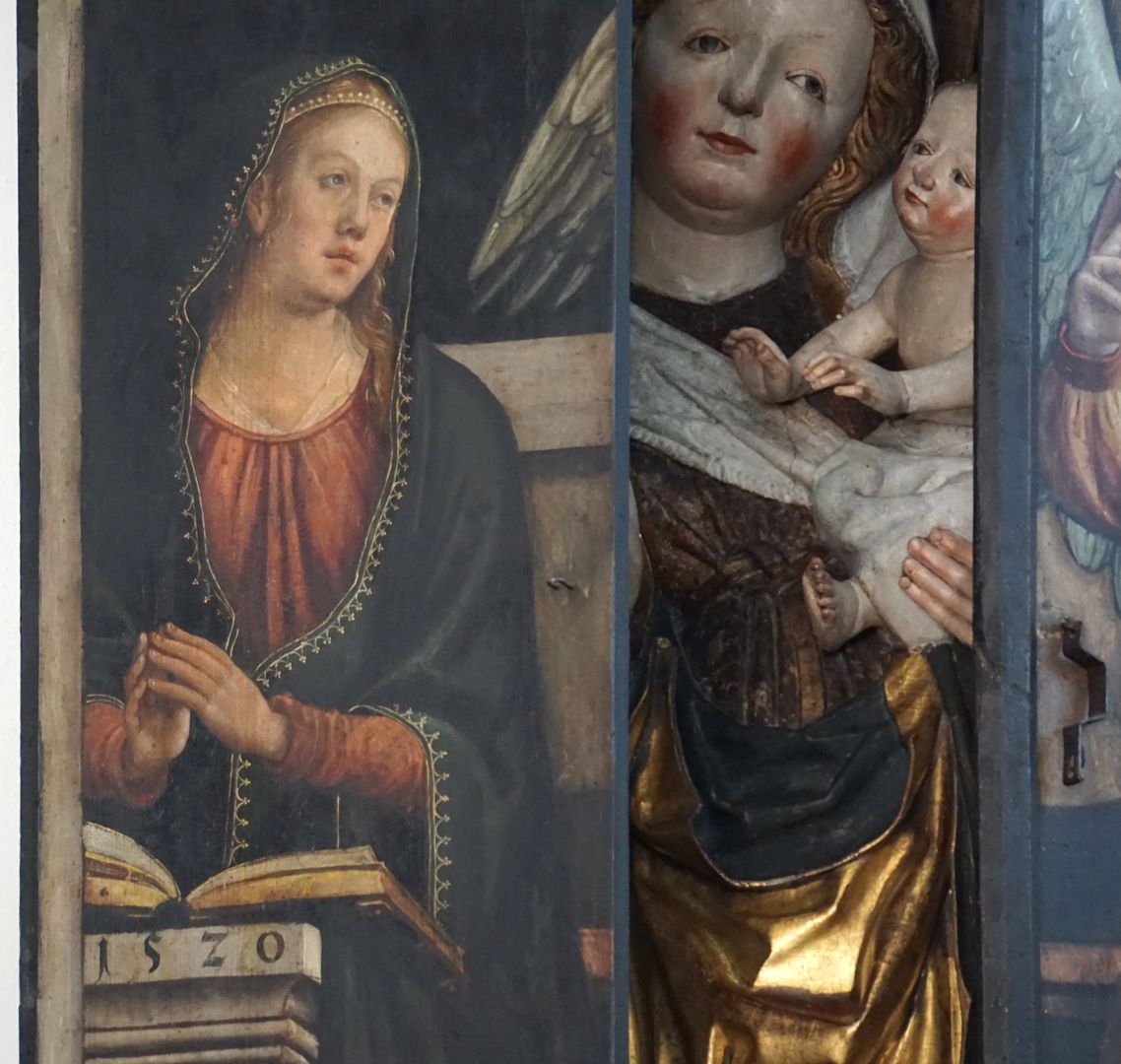
Altar of the Beautiful Mary The altar with closed wings, detail with Mary from the Annunciation scene and the figure of Mary, dating from 1520

Altar of the Beautiful Mary

1520

The altar with closed wings, detail with Mary from the Annunciation scene and the figure of Mary, dating from 1520


Foundation of the Nuremberg merchant and innkeeper Stefan Gabler († 1529) and his second wife Sophia née Gärtner († 1557). On December 3, 1522, the executor of the will of the painter Hans von Kulmbach acknowledged receipt of the outstanding 10 fl. to Stefan Gabler as payment for a painted panel, which could refer to the Schwabach altar. The Gabler family had already had a connection to the Mary altar in the Schwabach parish church for several generations. In 1444, one of Stefan Gabler's ancestors, Elisabeth, widow of Heinrich Gabler, made the funds available in her will for a preaching benefice with chaplaincy at the Our Lady altar.

The figure of Mary on the crescent moon is dated around 1475. On October 2, 1521, a dispute between Stefan Gabler and the painter Leonhard Schürstab was decided in such a way that the painter's demand for 53 guilders for the painting of an (altar) panel was granted. It is possible that Gabler also commissioned to paint the Schwabach altarpiece and the figure of the Virgin Mary.


Location: Schwabach, St. Martin

Design: Kulmbach, Hans Süß von

Realization: Kulmbach, Hans Süß von

photo 2021, Theo Noll

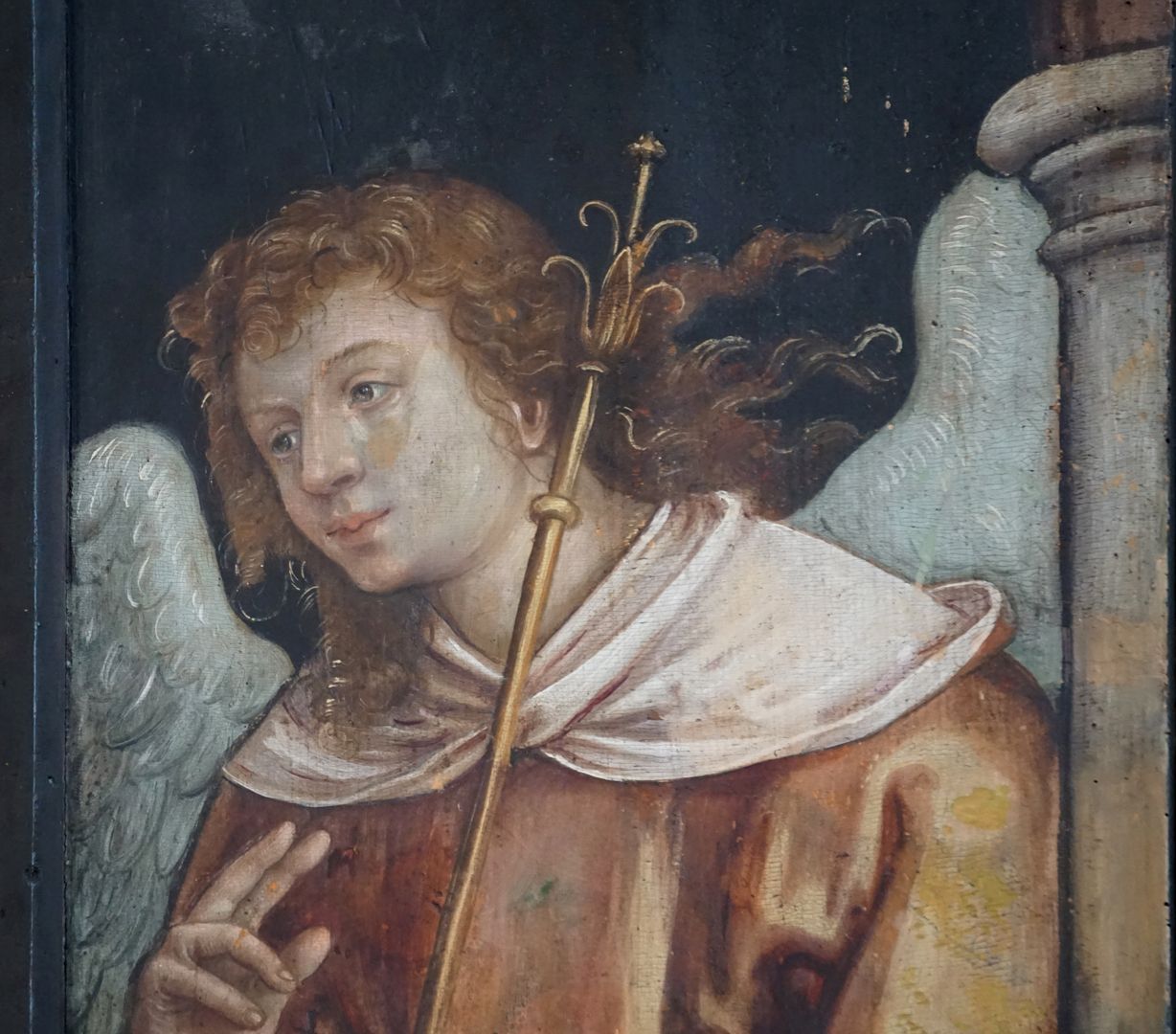
Altar of the Beautiful Mary The altar with closed wings, detail of the Annunciation angel

Altar of the Beautiful Mary

1520

The altar with closed wings, detail of the Annunciation angel


Foundation of the Nuremberg merchant and innkeeper Stefan Gabler († 1529) and his second wife Sophia née Gärtner († 1557). On December 3, 1522, the executor of the will of the painter Hans von Kulmbach acknowledged receipt of the outstanding 10 fl. to Stefan Gabler as payment for a painted panel, which could refer to the Schwabach altar. The Gabler family had already had a connection to the Mary altar in the Schwabach parish church for several generations. In 1444, one of Stefan Gabler's ancestors, Elisabeth, widow of Heinrich Gabler, made the funds available in her will for a preaching benefice with chaplaincy at the Our Lady altar.

The figure of Mary on the crescent moon is dated around 1475. On October 2, 1521, a dispute between Stefan Gabler and the painter Leonhard Schürstab was decided in such a way that the painter's demand for 53 guilders for the painting of an (altar) panel was granted. It is possible that Gabler also commissioned to paint the Schwabach altarpiece and the figure of the Virgin Mary.


Location: Schwabach, St. Martin

Design: Kulmbach, Hans Süß von

Realization: Kulmbach, Hans Süß von

photo 2021, Theo Noll

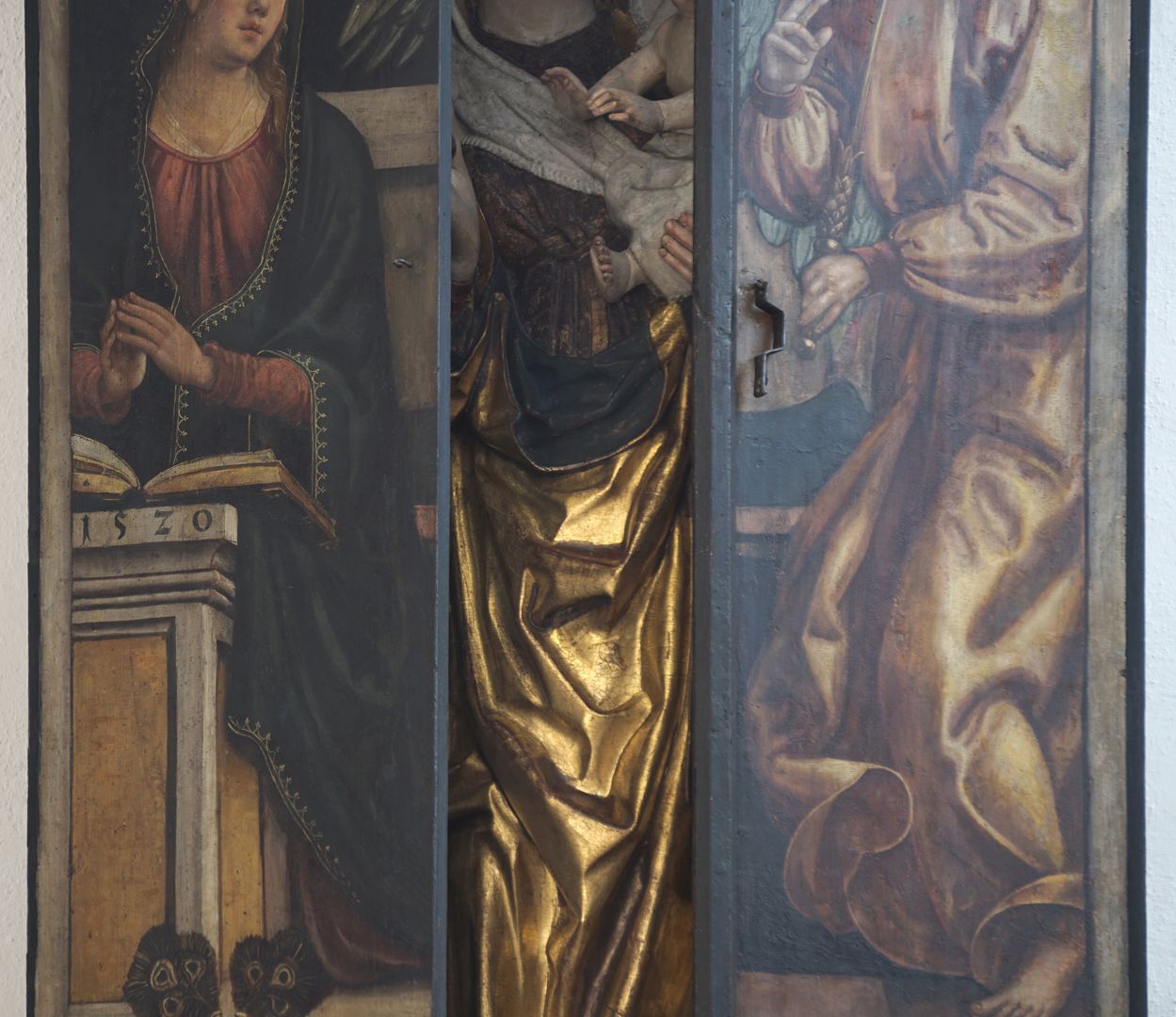
Altar of the Beautiful Mary The altar with closed wings, detail of the two panels of the Annunciation scene and the figure of Mary

Altar of the Beautiful Mary

1520

The altar with closed wings, detail of the two panels of the Annunciation scene and the figure of Mary


Foundation of the Nuremberg merchant and innkeeper Stefan Gabler († 1529) and his second wife Sophia née Gärtner († 1557). On December 3, 1522, the executor of the will of the painter Hans von Kulmbach acknowledged receipt of the outstanding 10 fl. to Stefan Gabler as payment for a painted panel, which could refer to the Schwabach altar. The Gabler family had already had a connection to the Mary altar in the Schwabach parish church for several generations. In 1444, one of Stefan Gabler's ancestors, Elisabeth, widow of Heinrich Gabler, made the funds available in her will for a preaching benefice with chaplaincy at the Our Lady altar.

The figure of Mary on the crescent moon is dated around 1475. On October 2, 1521, a dispute between Stefan Gabler and the painter Leonhard Schürstab was decided in such a way that the painter's demand for 53 guilders for the painting of an (altar) panel was granted. It is possible that Gabler also commissioned to paint the Schwabach altarpiece and the figure of the Virgin Mary.


Location: Schwabach, St. Martin

Design: Kulmbach, Hans Süß von

Realization: Kulmbach, Hans Süß von

photo 2021, Theo Noll

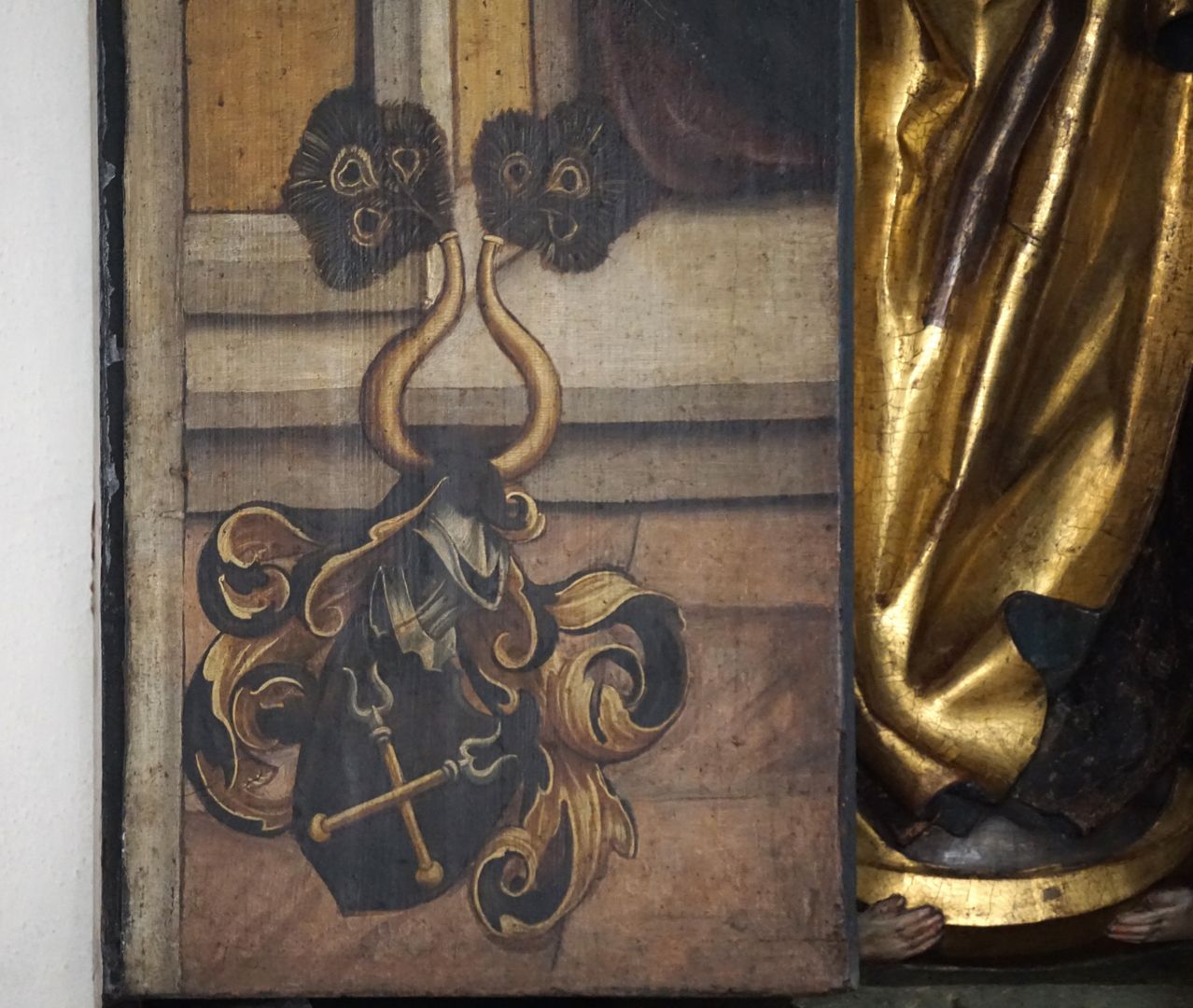
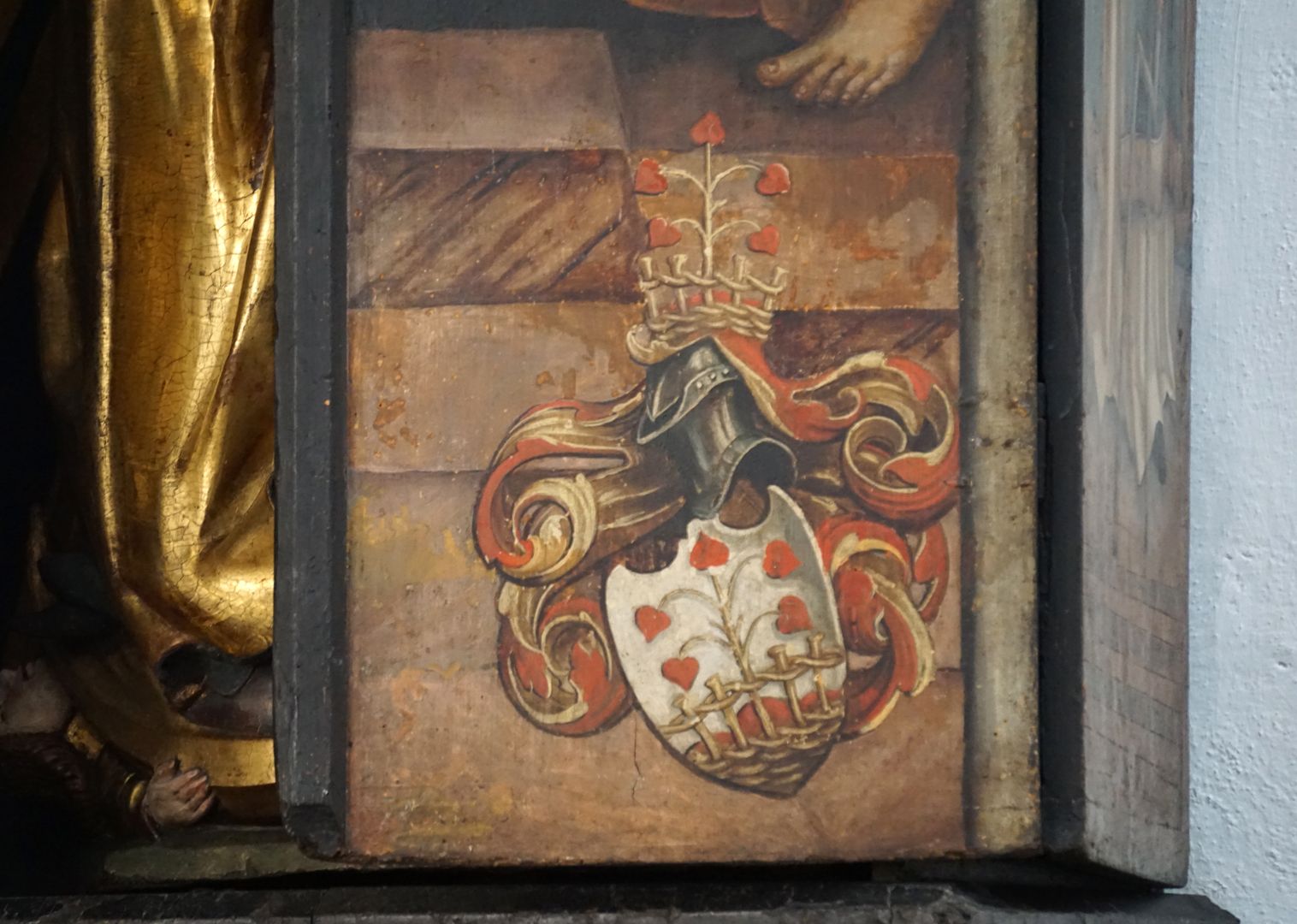
Altar of the Beautiful Mary Der Altar mit geschlossenen Flügeln, linke Tafel mit Stifterwappen Gabler

Altar of the Beautiful Mary

1520

Der Altar mit geschlossenen Flügeln, linke Tafel mit Stifterwappen Gabler


Foundation of the Nuremberg merchant and innkeeper Stefan Gabler († 1529) and his second wife Sophia née Gärtner († 1557). On December 3, 1522, the executor of the will of the painter Hans von Kulmbach acknowledged receipt of the outstanding 10 fl. to Stefan Gabler as payment for a painted panel, which could refer to the Schwabach altar. The Gabler family had already had a connection to the Mary altar in the Schwabach parish church for several generations. In 1444, one of Stefan Gabler's ancestors, Elisabeth, widow of Heinrich Gabler, made the funds available in her will for a preaching benefice with chaplaincy at the Our Lady altar.

The figure of Mary on the crescent moon is dated around 1475. On October 2, 1521, a dispute between Stefan Gabler and the painter Leonhard Schürstab was decided in such a way that the painter's demand for 53 guilders for the painting of an (altar) panel was granted. It is possible that Gabler also commissioned to paint the Schwabach altarpiece and the figure of the Virgin Mary.


Location: Schwabach, St. Martin

Design: Kulmbach, Hans Süß von

Realization: Kulmbach, Hans Süß von

photo 2021, Theo Noll

Altar of the Beautiful Mary The altar with closed wings, right panel with founder's coat of arms Gärtner

Altar of the Beautiful Mary

1520

The altar with closed wings, right panel with founder's coat of arms Gärtner


Foundation of the Nuremberg merchant and innkeeper Stefan Gabler († 1529) and his second wife Sophia née Gärtner († 1557). On December 3, 1522, the executor of the will of the painter Hans von Kulmbach acknowledged receipt of the outstanding 10 fl. to Stefan Gabler as payment for a painted panel, which could refer to the Schwabach altar. The Gabler family had already had a connection to the Mary altar in the Schwabach parish church for several generations. In 1444, one of Stefan Gabler's ancestors, Elisabeth, widow of Heinrich Gabler, made the funds available in her will for a preaching benefice with chaplaincy at the Our Lady altar.

The figure of Mary on the crescent moon is dated around 1475. On October 2, 1521, a dispute between Stefan Gabler and the painter Leonhard Schürstab was decided in such a way that the painter's demand for 53 guilders for the painting of an (altar) panel was granted. It is possible that Gabler also commissioned to paint the Schwabach altarpiece and the figure of the Virgin Mary.


Location: Schwabach, St. Martin

Design: Kulmbach, Hans Süß von

Realization: Kulmbach, Hans Süß von

photo 2021, Theo Noll

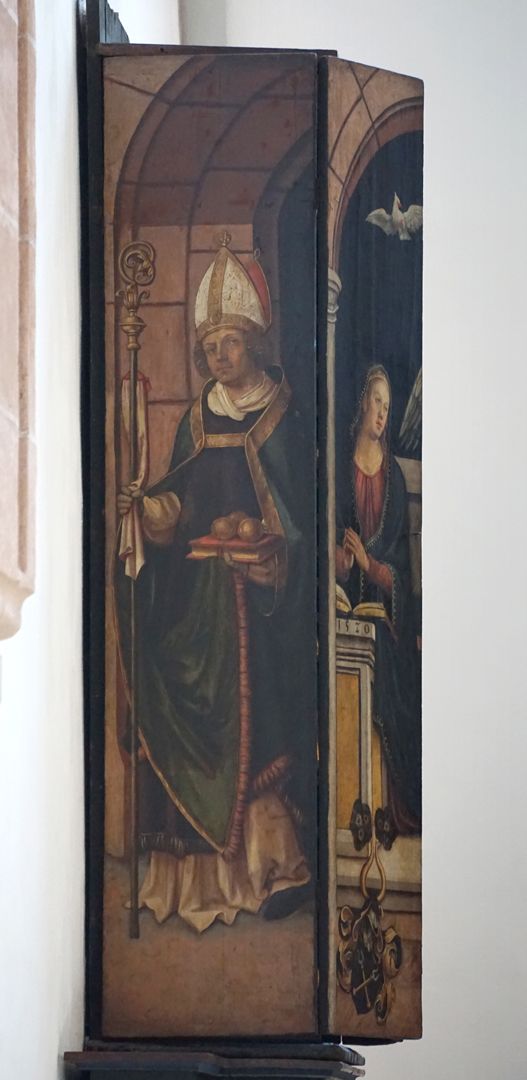
Altar of the Beautiful Mary Closed Altar, left side panel with Saint Nicholas of Myra

Altar of the Beautiful Mary

1520

Closed Altar, left side panel with Saint Nicholas of Myra


Foundation of the Nuremberg merchant and innkeeper Stefan Gabler († 1529) and his second wife Sophia née Gärtner († 1557). On December 3, 1522, the executor of the will of the painter Hans von Kulmbach acknowledged receipt of the outstanding 10 fl. to Stefan Gabler as payment for a painted panel, which could refer to the Schwabach altar. The Gabler family had already had a connection to the Mary altar in the Schwabach parish church for several generations. In 1444, one of Stefan Gabler's ancestors, Elisabeth, widow of Heinrich Gabler, made the funds available in her will for a preaching benefice with chaplaincy at the Our Lady altar.

The figure of Mary on the crescent moon is dated around 1475. On October 2, 1521, a dispute between Stefan Gabler and the painter Leonhard Schürstab was decided in such a way that the painter's demand for 53 guilders for the painting of an (altar) panel was granted. It is possible that Gabler also commissioned to paint the Schwabach altarpiece and the figure of the Virgin Mary.


Location: Schwabach, St. Martin

Design: Kulmbach, Hans Süß von

Realization: Kulmbach, Hans Süß von

photo 2021, Theo Noll

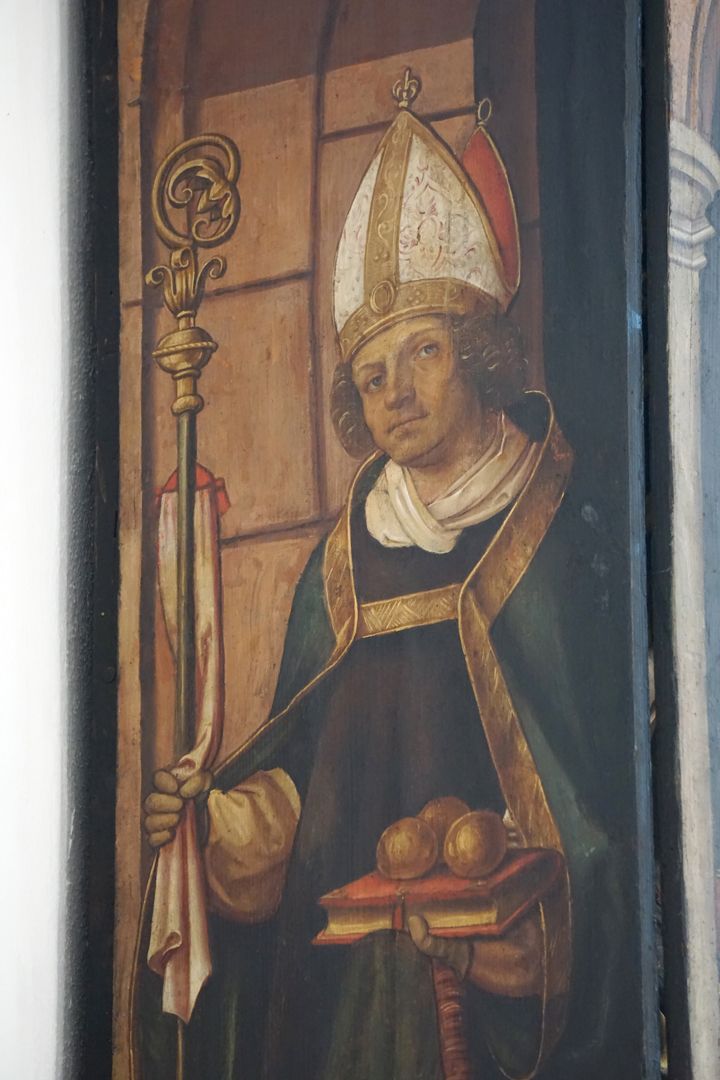
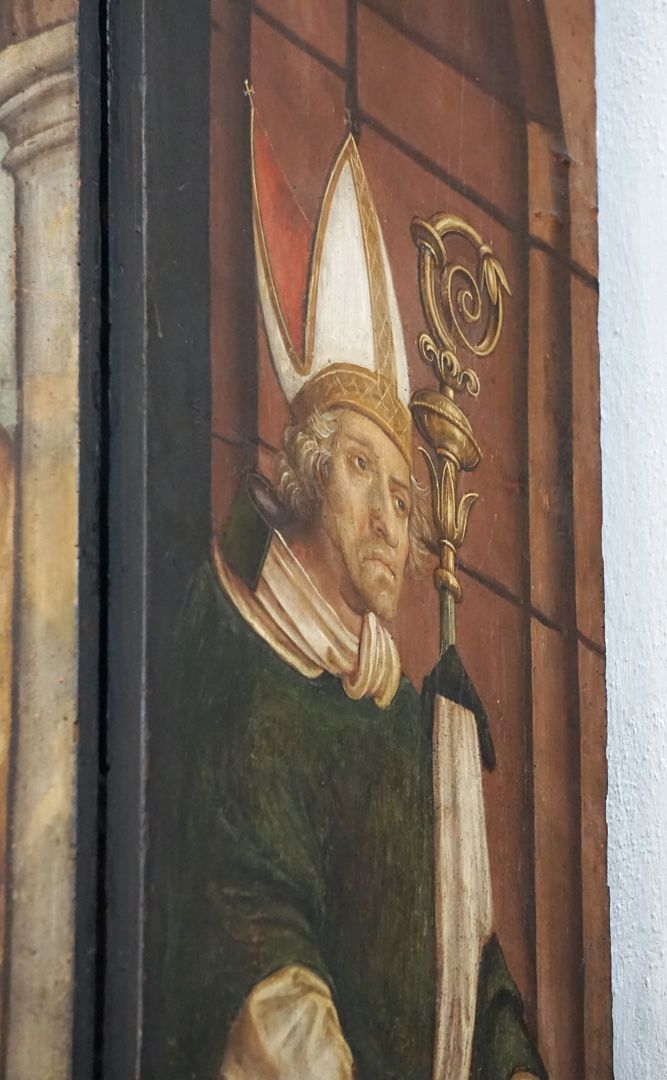
Altar of the Beautiful Mary Closed altar, left side panel with Saint Nicholas of Myra, detail

Altar of the Beautiful Mary

1520

Closed altar, left side panel with Saint Nicholas of Myra, detail


Foundation of the Nuremberg merchant and innkeeper Stefan Gabler († 1529) and his second wife Sophia née Gärtner († 1557). On December 3, 1522, the executor of the will of the painter Hans von Kulmbach acknowledged receipt of the outstanding 10 fl. to Stefan Gabler as payment for a painted panel, which could refer to the Schwabach altar. The Gabler family had already had a connection to the Mary altar in the Schwabach parish church for several generations. In 1444, one of Stefan Gabler's ancestors, Elisabeth, widow of Heinrich Gabler, made the funds available in her will for a preaching benefice with chaplaincy at the Our Lady altar.

The figure of Mary on the crescent moon is dated around 1475. On October 2, 1521, a dispute between Stefan Gabler and the painter Leonhard Schürstab was decided in such a way that the painter's demand for 53 guilders for the painting of an (altar) panel was granted. It is possible that Gabler also commissioned to paint the Schwabach altarpiece and the figure of the Virgin Mary.


Location: Schwabach, St. Martin

Design: Kulmbach, Hans Süß von

Realization: Kulmbach, Hans Süß von

photo 2021, Theo Noll

Altar of the Beautiful Mary Angel of the Annunciation and Saint Erasmus (his characteristic: winch with which his intestines were pulled out)

Altar of the Beautiful Mary

1520

Angel of the Annunciation and Saint Erasmus (his characteristic: winch with which his intestines were pulled out)


Foundation of the Nuremberg merchant and innkeeper Stefan Gabler († 1529) and his second wife Sophia née Gärtner († 1557). On December 3, 1522, the executor of the will of the painter Hans von Kulmbach acknowledged receipt of the outstanding 10 fl. to Stefan Gabler as payment for a painted panel, which could refer to the Schwabach altar. The Gabler family had already had a connection to the Mary altar in the Schwabach parish church for several generations. In 1444, one of Stefan Gabler's ancestors, Elisabeth, widow of Heinrich Gabler, made the funds available in her will for a preaching benefice with chaplaincy at the Our Lady altar.

The figure of Mary on the crescent moon is dated around 1475. On October 2, 1521, a dispute between Stefan Gabler and the painter Leonhard Schürstab was decided in such a way that the painter's demand for 53 guilders for the painting of an (altar) panel was granted. It is possible that Gabler also commissioned to paint the Schwabach altarpiece and the figure of the Virgin Mary.


Location: Schwabach, St. Martin

Design: Kulmbach, Hans Süß von

Realization: Kulmbach, Hans Süß von

photo 2021, Theo Noll

Altar of the Beautiful Mary Closed Altar, right side panel. Detail with St. Erasmus

Altar of the Beautiful Mary

1520

Closed Altar, right side panel. Detail with St. Erasmus


Foundation of the Nuremberg merchant and innkeeper Stefan Gabler († 1529) and his second wife Sophia née Gärtner († 1557). On December 3, 1522, the executor of the will of the painter Hans von Kulmbach acknowledged receipt of the outstanding 10 fl. to Stefan Gabler as payment for a painted panel, which could refer to the Schwabach altar. The Gabler family had already had a connection to the Mary altar in the Schwabach parish church for several generations. In 1444, one of Stefan Gabler's ancestors, Elisabeth, widow of Heinrich Gabler, made the funds available in her will for a preaching benefice with chaplaincy at the Our Lady altar.

The figure of Mary on the crescent moon is dated around 1475. On October 2, 1521, a dispute between Stefan Gabler and the painter Leonhard Schürstab was decided in such a way that the painter's demand for 53 guilders for the painting of an (altar) panel was granted. It is possible that Gabler also commissioned to paint the Schwabach altarpiece and the figure of the Virgin Mary.


Location: Schwabach, St. Martin

Design: Kulmbach, Hans Süß von

Realization: Kulmbach, Hans Süß von

photo 2021, Theo Noll

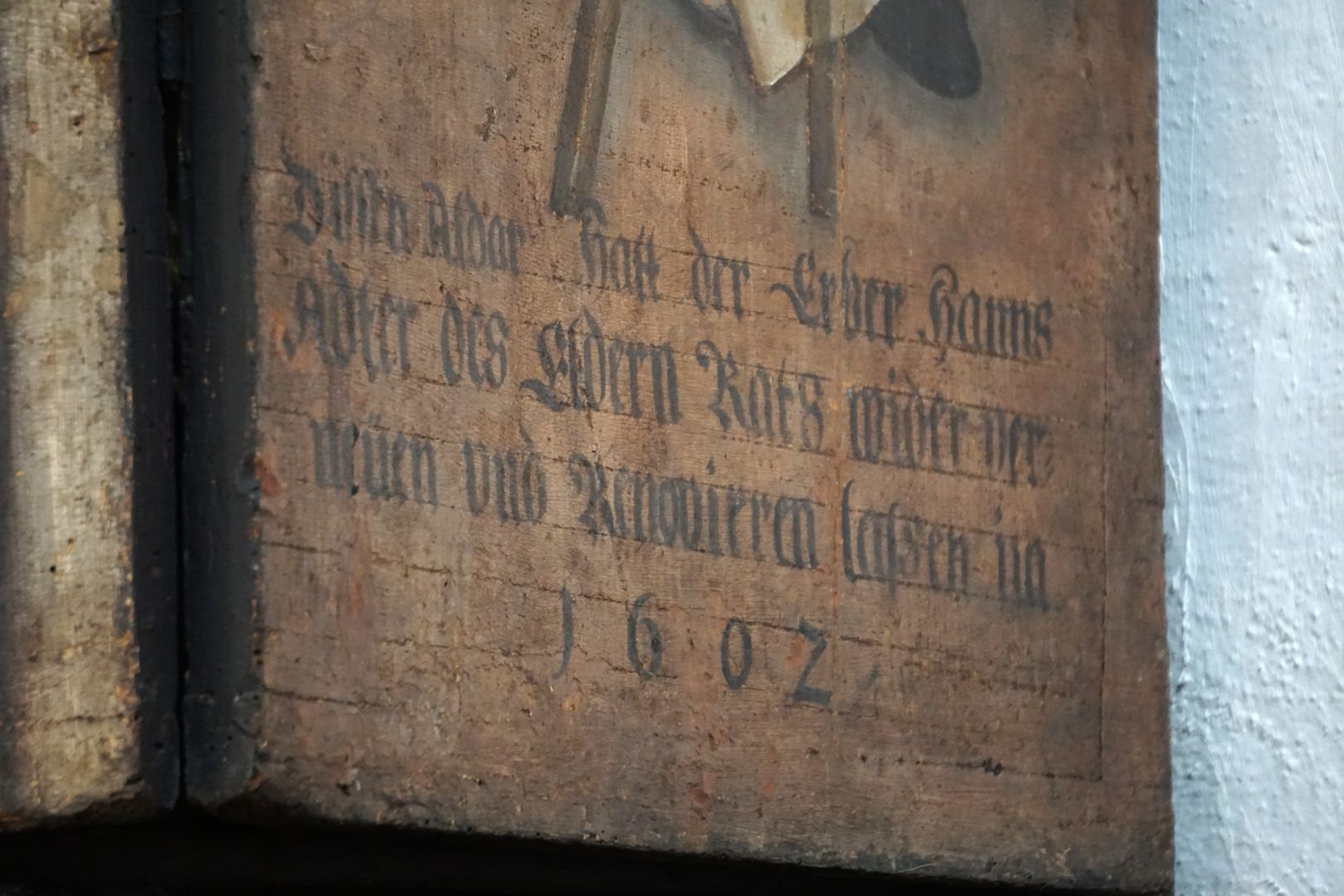
Altar of the Beautiful Mary Closed altar, right side panel below: Inscription on the renovation of 1602 at the instigation of "Erber Hanns Adter des Eldern Rats".

Altar of the Beautiful Mary

1520

Closed altar, right side panel below: Inscription on the renovation of 1602 at the instigation of "Erber Hanns Adter des Eldern Rats".


Foundation of the Nuremberg merchant and innkeeper Stefan Gabler († 1529) and his second wife Sophia née Gärtner († 1557). On December 3, 1522, the executor of the will of the painter Hans von Kulmbach acknowledged receipt of the outstanding 10 fl. to Stefan Gabler as payment for a painted panel, which could refer to the Schwabach altar. The Gabler family had already had a connection to the Mary altar in the Schwabach parish church for several generations. In 1444, one of Stefan Gabler's ancestors, Elisabeth, widow of Heinrich Gabler, made the funds available in her will for a preaching benefice with chaplaincy at the Our Lady altar.

The figure of Mary on the crescent moon is dated around 1475. On October 2, 1521, a dispute between Stefan Gabler and the painter Leonhard Schürstab was decided in such a way that the painter's demand for 53 guilders for the painting of an (altar) panel was granted. It is possible that Gabler also commissioned to paint the Schwabach altarpiece and the figure of the Virgin Mary.


Location: Schwabach, St. Martin

Design: Kulmbach, Hans Süß von

Realization: Kulmbach, Hans Süß von

photo 2021, Theo Noll

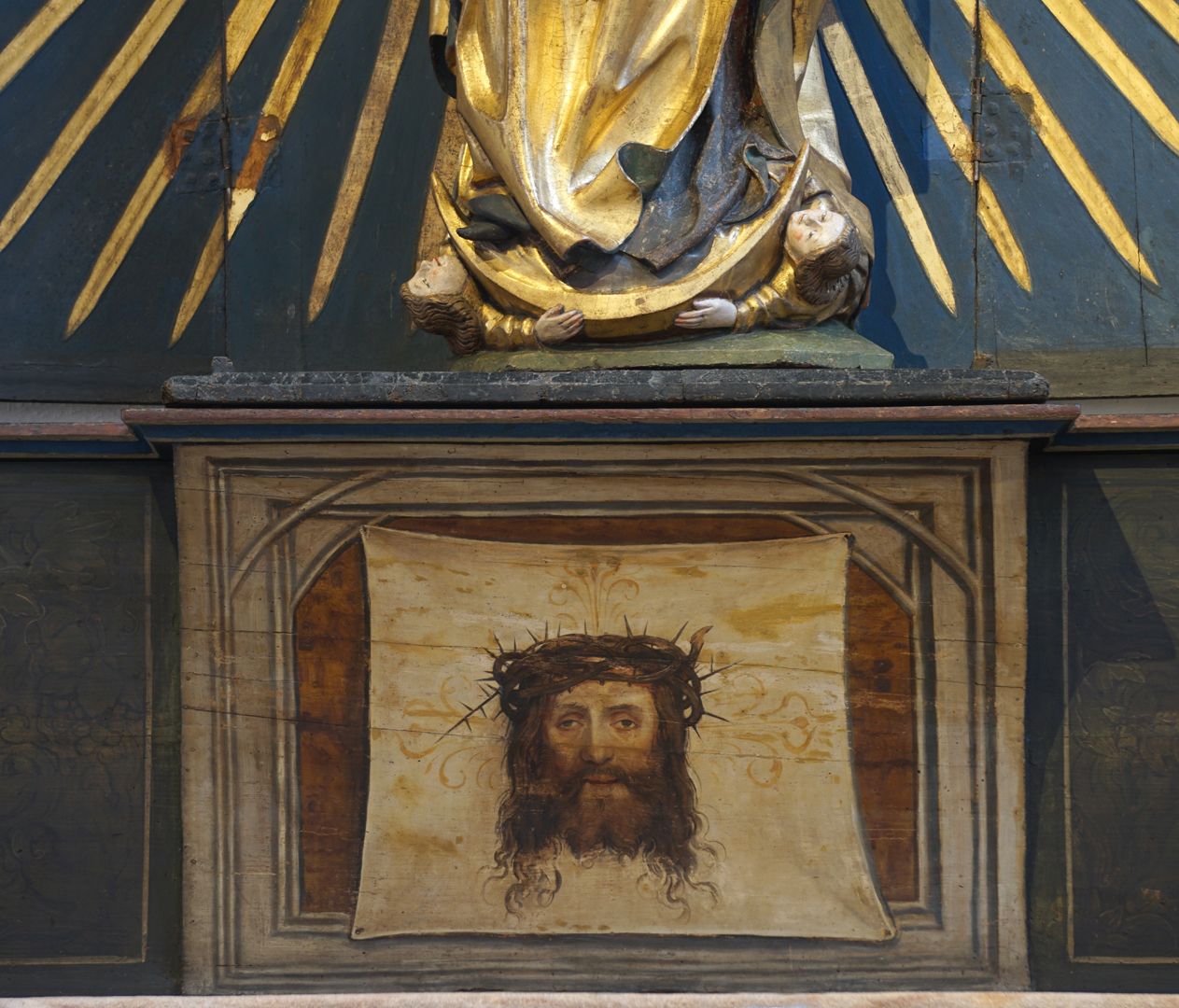
Altar of the Beautiful Mary sweat cloth of Veronica

Altar of the Beautiful Mary

1520

sweat cloth of Veronica


Foundation of the Nuremberg merchant and innkeeper Stefan Gabler († 1529) and his second wife Sophia née Gärtner († 1557). On December 3, 1522, the executor of the will of the painter Hans von Kulmbach acknowledged receipt of the outstanding 10 fl. to Stefan Gabler as payment for a painted panel, which could refer to the Schwabach altar. The Gabler family had already had a connection to the Mary altar in the Schwabach parish church for several generations. In 1444, one of Stefan Gabler's ancestors, Elisabeth, widow of Heinrich Gabler, made the funds available in her will for a preaching benefice with chaplaincy at the Our Lady altar.

The figure of Mary on the crescent moon is dated around 1475. On October 2, 1521, a dispute between Stefan Gabler and the painter Leonhard Schürstab was decided in such a way that the painter's demand for 53 guilders for the painting of an (altar) panel was granted. It is possible that Gabler also commissioned to paint the Schwabach altarpiece and the figure of the Virgin Mary.


Location: Schwabach, St. Martin

Design: Kulmbach, Hans Süß von

Realization: Kulmbach, Hans Süß von

photo 2021, Theo Noll

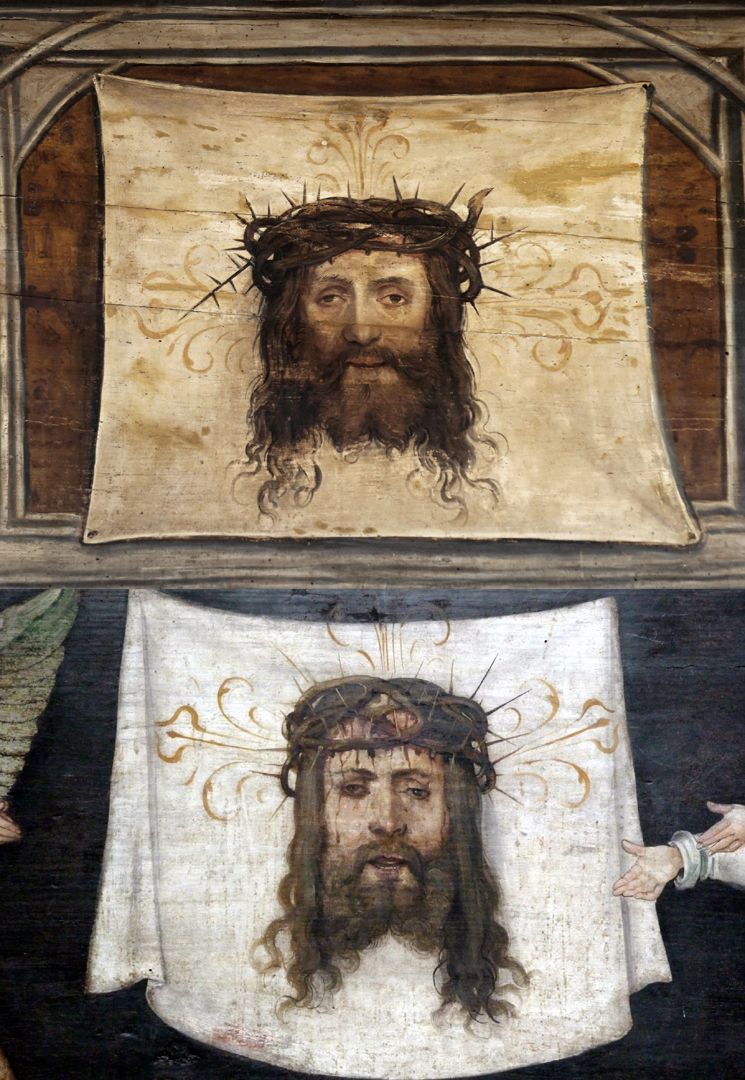
Altar of the Beautiful Mary sweat cloth of Veronica, image comparison: above Schwabach / below Wendelstein

Altar of the Beautiful Mary

1520

sweat cloth of Veronica, image comparison: above Schwabach / below Wendelstein


Foundation of the Nuremberg merchant and innkeeper Stefan Gabler († 1529) and his second wife Sophia née Gärtner († 1557). On December 3, 1522, the executor of the will of the painter Hans von Kulmbach acknowledged receipt of the outstanding 10 fl. to Stefan Gabler as payment for a painted panel, which could refer to the Schwabach altar. The Gabler family had already had a connection to the Mary altar in the Schwabach parish church for several generations. In 1444, one of Stefan Gabler's ancestors, Elisabeth, widow of Heinrich Gabler, made the funds available in her will for a preaching benefice with chaplaincy at the Our Lady altar.

The figure of Mary on the crescent moon is dated around 1475. On October 2, 1521, a dispute between Stefan Gabler and the painter Leonhard Schürstab was decided in such a way that the painter's demand for 53 guilders for the painting of an (altar) panel was granted. It is possible that Gabler also commissioned to paint the Schwabach altarpiece and the figure of the Virgin Mary.


Location: Schwabach, St. Martin

Design: Kulmbach, Hans Süß von

Realization: Kulmbach, Hans Süß von

photo 2021, Theo Noll

Hans Süß von
Kulmbach

Further works

Hans Süß von Kulmbach / EXHIBITION IN KRONACH / 2022
windowpane outline
windowpane outline
St. Anne´s Altar
St. Anne´s Altar
Joseph (Petrus?)
Joseph (Petrus?)
Wendelstein Three-Kings´ Altar
Rosary Triptych (Madrid)
Four panels from a Life-of-the-Virgin-Altar
Mary(?)
Mary(?)
Man of Sorrows
Man of Sorrows
Epitaph for Provost Lorenz Tucher
Crucified with Mary and John
Mary (to an Annunciation)
Crucifixion
Crucifixion
The Crucified
The Crucified
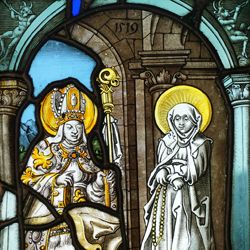
Window sIII 2b of the Sebald oriel / St. Augustine and Monica
Altar of the Beautiful Mary
Madonna with a Radiant Crown (Deichsler Madonna)
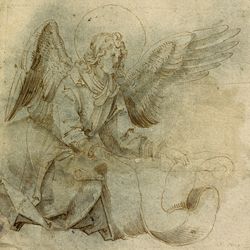
Kneeling angel
Kneeling angel

Menu

  • New
  • Search
  • Artists
  • Works of art
  • About us
  • Deutsche Version
  • Instagram

A project of the Förderverein Kulturhistorisches Museum Nürnberg e.V. (Association for the Promotion of the Museum of Cultural History Nuremberg - registered association)

The Förderverein Kulturhistorisches Museum Nürnberg e.V. supports the establishment of a museum of cultural history in Nuremberg. In anticipation of this it presents selected works of Nuremberg art in digital form. The Association will be happy to welcome new members. You will find a declaration of membership on our website.

Support us Feedback

Logo

© Protected under German copyright laws

  • Imprint
  • Privacy policy

Feedback

Please let us know your opinion about our website, the museum, our idea or any other evaluation. We shall be please about any comments and suggestions..