Sep
Ruf
architect
born München, 09. Mar 1908
died München, 29. Jul 1982
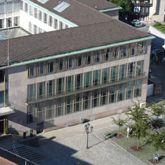
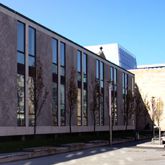
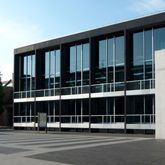
Architekt in der Nachfolge der klassischen Moderne. Als besonders vorzüglich ist sein Frühwerk für Nürnberg anzusehen, so die ehem. Bayerische Staatsbank am Lorenzer Platz und die Akademie der Bildenden Künste in Zerzabelshof.
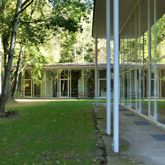
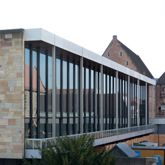
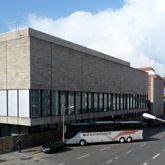
Der in verschiedenen Etappen entstandene Komplex des Germanischen Nationalmuseums sollte differenziert gewürdigt werden: Einerseits stellt der gestalterisch gelungenste Flügel, der Theodor-Heuss-Bau, eine problematische Nachbarschaft zum Eingangsbau von German Bestelmayer dar, andererseits überzeugt jeder neu hinzugekommene Trakt aus gestalterischen wie funktionellen Gründen immer weniger, wie selbst von der Museumsdirektion beanstandet. Für den Südbau 1963-68 beseitigte Ruf noch erhaltene mittelalterliche Bausubstanz. Das in weiten Teilen erhaltene Karthäuserkloster und Kirche schrumpften hinter rücksichtlosen Bauwürfeln (siehe Foto: Ostbau in der Grasersgasse, Durchblick mit Karthäuserkirche).
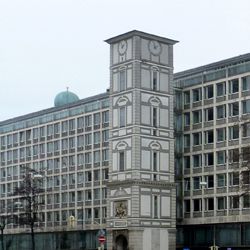
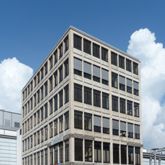
Ebenfalls trug die Intervention Rufs an der gegenüberliegenden Seite des Kornmarkts (Hertie Bürohochhaus) zur völligen Tilgung der im hohen Grade wertvollen Vorkriegsbebauung bei. Der Kornmarkt zeigt seitdem eine beliebig austauschbare Platzsituation.
Dr. Pablo de la Riestra / Oktober 2014
Period: 20th c.