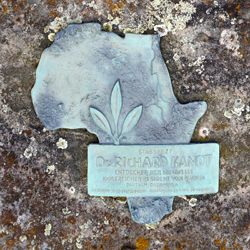
Richard
Kandt (vor 1894 Kantorowicz)
born Posen, 17. Dec 1867
died Nürnberg, 29. Apr 1918
Magnus Hirschfeld,
Von einst bis jetzt, Verlag rosa Winkel, Berlin 1986, Seite 156 - 160
Textauszug:
"In den letzten Schuljahren bekam ich zu meinen vielen Geschwistern auch noch eine Art Pflegebruder, Richard Kandt, der es später zu einem berühmten Namen als Afrikaforscher brachte; er ist der Verfasser des prachtvollen Reisewerks "Caput Nili". Er widmete es seiner Mutter und seinen "brüderlichen" Freunde, Richard Voß. Dieser Dichter, ein Pommer wie ich, schreibt in seinem Tagebuchaufzeichnungen am 8. Mai 1918, nur wenige Wochen bevor er am 10. Juni 1918 selbst seine ernsten Augen für immer schloß:"Viele meiner Freunde starben hier in den letzten Wochen, es starb Richard Kandt, einstmals mein Blutsbruder. Es war für mich nicht nur eine Lebensfreundschaft, sondern zugleich ein Freundschafts-Martyrium...Richard Kandt ist der Entdecker der Nilquelle, der Quelle des Kagera- oder Rukarara-Nil. Sein Werk:"Caput Nili" hätte ihm bei jeder andern Nation als der deutschen einen Weltruf gebracht... In meiner einst so leuchtenden Freundschaft mit Richard Kandt ward es Nacht, ohne Hoffnung eines Lichtschimmers. Mein Leid um den Freund gehört zu jenen Leiden, die uns alt machen. Und müde, so müde!"
Richadt Kandt entstammt einer alten, reichen Kaufmannsfamilie in Posen. Zu uns kam der lebhafte, mir fast gleichaltrige Jüngling, weil ihn die akademische und doch freier Atmosphäre unseres behaglichen schönen, nur wenige Minuten vom Meere entfernten Hauses, der gute Ruf der Kolberger Schule und nicht zuletzt die frische, reine Seeluft anzogen, von der sich die Ärzte Abhärtung seiner zu Katarrhen neigenden Luftwege versprachen. In den Jahren unseres Zusammenlebens ahnte ich nicht, das einmal die Stunde kommen würde, in der ich auch zu ihm, wie noch zu manchen anderen meiner Jugendgenossen:"Auch du, mein Sohn Brutus" sagen konnte." (...)
"Gemeinsam mit Kandt bereitet ich mich zur Abgangsprüfung vor, die wir am 5. September 1887 gemeinsam bestanden." (...)
"Von Stettin aus trennten sich Kandts Wege und die meinen. Er wurde Verbindungsstudent, stand viel auf Mensur und ging anscheinen ganz in seiner Couleur auf." (...)
"Von Richard Kandt erhielt ich in den ersten zehn Jahren nach unserer Trennung nur äußerst spärlich Kunde. Erst als ich nach "Sappho und Sokrates" unseren Petition für die Befreiung der Homosexuellen in Umlauf setzte, bekam ich von ihm ein sehr langes Schreiben, in dem er mich beschwor, mich nicht einem Ziel zu opfern, das ich doch nie und nimmer erreichen könne. Ich solle mich erinnern, daß, wer das verschleierte Bild von Sais - der uralten Nilstadt - enthülle, diesen Frevel mit seinem Leben bezahlen müsse. (...)
"Nicht lange nach Empfang dieses Warnungsbriefes kam der "Auch Du, mein Sohn Brutus"- Tag. Kandt war in die Hände eines Erpressers gefallen, der ihn, den äußerst feinfühligen Menschen, bereits um einen beträchtlichen Teil seines Vermögens gebracht hatte. Er gab immer wieder, weil er wähnte, daß alles, was seine Ehre, wenn auch noch so unverschuldet, verdunkele, ein Flecken auf dem Ehrenschild seiner Verbindung sei. Mit völlig zermürbten Nerven ging er uns um Hilfe gegen seinen unersättlichen Vampir an, die ihm erfolgreich zu gewähren wir in der glücklichen Lage waren. Äußerlich befreit, blieb er innerlich gebrochen. Die Berufung des Erpressers auf das Gesetz hatte ihm den Staat, wo solches möglich, verleidet. Er sagte: "Wenn uns ein Menschenrecht vorenthalten wird, muß man kämpfen, bis es einem, oder dorthin gehen, wo es einem nicht vorenthalten wird. Ich wähle letzteres"
So beschloß er denn, mit dem immer noch stattlichen Rest seines Vermögens die Quellen des Nils zu entdecken.(...)
"Im ersten Kriegswinter suchte mich Kandt zum letzten Male auf. Er war im Frühjahr 1914 schwer leidend aus Ostafrika zurückgekehrt.(...) Ich fand Kandt alt geworden und traurig; trübe blickte er in Deutschlands Zukunft. "Sollte ich den Krieg überstehen", sagte er mir zum Abschied, "dann trete ich an deine Seite und bekämpfe mit dir den einzigen wahren Feind der Menschen: die aus Unkenntnis und Überhebung geborene Unduldsamkeit". Er überstand den Krieg nicht. Am 29. April 1918 verschied er in einem Lazarett in Nürnberg, wenig über fünfzig Jahre alt (geb. 17.12.1867) an den Folgen eines Gasangriffs, dessen Opfer er in treuer ärztlicher Pflichterfüllung wurde." (...)